How hyperpartisan bullying threatens democracy

Politicization of public life: Tattered American flag

USC experts fear that polarization of public life is having a chilling effect on democratic processes. (Photo/iStock)

Social Impact

How hyperpartisan bullying threatens democracy

USC experts explain why polarization erodes civility in public discourse, turning private citizens and elected officials into targets.

January 30, 2024

By Leigh Hopper

People doing jobs once considered non-controversial — public health workers, librarians, election workers, school board officers — are increasingly bullied online, threatened and swept into the vortex of partisan vitriol.

Public officials face an alarming rise in “swatting,” a dangerous practice in which SWAT teams are summoned to their homes by fake emergency calls. Online vigilantes dox private individuals and elected officials by publishing private phone numbers and home addresses on websites and social media. USC experts fear the trend is having a chilling effect on democratic processes.

“These modern realities are a major deterrent for careers in politics. Officials understandably fear exposing their spouses, children, extended families and themselves to the threats and ugliness on social media,” said Kamy Akhavan, executive director of the USC Center for the Political Future at the USC Dornsife College of Letters, Arts and Sciences. “Public officials today have the highest levels of scrutiny and the lowest levels of privacy that public officials have ever experienced. Everyone has a camera in their pocket, politics are hyperpartisan, and social media and mainstream media incentivize scandal.”

Akhavan pointed to examples of high-profile cases of harassment and assault. In October 2022, the husband of then-House Speaker Nancy Pelosi was attacked in the couple’s San Francisco home by a partisan radical, who has since been convicted and is in prison.

Last month, former U.S. Rep. Katie Hill settled her “revenge porn” case against her ex-husband. Hill resigned in 2019 after he and conservative outlets published nude photos of her online without her knowledge or consent.

Such examples underscore the risk of harassment and violence facing government and elected officials in an era of social media, viral conspiracy theories and political polarization.

“For these reasons, plus the unbelievably high cost of campaigns and the closed nature of partisan politics, fewer people want to run for public office,” Akhavan said.

Polarization of public life: Distrust in expertise

Disinformation and confusing health messages during the COVID-19 pandemic increased distrust of medical and scientific expertise. A JAMA Network Open study found that 66% of physicians reported online attacks during the COVID-19 pandemic, a jump from 23% in the months prior to the pandemic.

Orange County’s chief health officer resigned in 2020 after receiving a death threat in response to mandating face coverings. And that wasn’t the only case. From March 2020 to January 2021, there were 120 resignations, 58 retirements, 20 firings and 24 other departures among health officials in the United States, according to a study in the American Journal of Public Health.

Rita Burke, an associate professor of clinical population and public health sciences at the Keck School of Medicine of USC, recently published a related study in Frontiers in Public Health.

“For most, this was a new experience leaving them unsure of where to turn for help. As a result, there has been an exodus of public health officials from health departments significantly weakening our public health infrastructure,” Burke said.

School governance on democracy’s front line

With the pandemic, Americans began paying closer attention to school boards. These unpaid, usually nonpartisan voluntary bodies are charged with oversight of their school district policies, including key decisions about masking — or not masking — and remote education.

Since then, school boards have become one of democracy’s front lines, often serving as proxies in the country’s cultural wars. Personal threats and attacks are resulting in resignations and turnover among board members, school health officers, superintendents, librarians and teachers.

“Education and educators have been drawn into the societal debates that find citizens on both sides of major issues about our youth, their curriculum and how they should be taught. The divide impacts districts, their leaders and every teacher,” said Maria Ott, who holds the Irving R. and Virginia A. Melbo Chair in Education Administration at the USC Rossier School of Education.

“Actions such as angry protests and lack of civil discourse model behaviors that communicate lack of trust in our schools and for those who have dedicated their careers to preparing the nation’s future citizens. We need to value our right to disagree respectfully and model what we aspire to for our students and remember that our schools are the heart of our communities and our democratic society.”

Universities provide a path to solutions amid polarization of public life

It’s clear the country needs to find a way to lower the temperature in public discourse. USC experts believe the key — perhaps unsurprisingly — is education and the campus setting itself. That’s why in 2018 USC launched the Center for the Political Future with director Robert Shrum, a Democrat, and co-director Mike Murphy, a Republican. They’re longtime political strategists and friends.

The center is known for bringing together students, leaders and experts from all political parties and organizations who might normally stand on opposite sides of the room to come together and discuss political matters.

“Here at the center, we believe in respecting each other and respecting the truth,” Shrum said before he introduced the Jan. 22 debate at Bovard Auditorium among candidates hoping to win a California Senate seat.

William Tierney, a University Professor Emeritus and founding director of USC Rossier’s Pullias Center for Higher Education, said colleges and universities are “a natural space where civil conversation should occur.”

“Higher education is a key component of the democratic public sphere,” he added. “We have to find ways to have difficult dialogues where students, faculty and staff are able to puzzle through the seemingly intractable problems that confront us. If we are unable to have those conversations on our campuses, then where will they occur?”

Julie Marsh, a professor of education policy at USC Rossier and at the USC Price School of Public Policy, sums it up: “Schools are one of the few places in which individuals from different backgrounds come together and have opportunities to deeply interact and potentially recognize commonalities. Schools can prepare students to be critical consumers of information and to learn how to treat others as equal members of civil society.”

USC research spending surpasses $1 billion for the first time, federal report shows

USC research: composite of images

University

USC research spending surpasses $1 billion for the first time, federal report shows

The spending included significant investments in USC President Carol Folt’s “moonshots” in computing, health and sustainability.

January 16, 2024

By Leigh Hopper

A recent $4 million federal grant supports a center at the Keck School of Medicine of USC where researchers aim to improve health protections for children against air pollution. With a $4.5 million grant from the Defense Advanced Research Projects Agency, a USC Information Sciences Institute researcher could set new benchmarks for measuring progress in quantum computing. And more than $7 million in government grants support USC Stem Cell researchers in their efforts to find new therapies for kidney disease and Lou Gehrig’s disease.

It’s been a banner year for USC researchers. A new federal report confirms that as of June 30, 2023, USC reached a new high-water mark in annual research expenditures — $1.04 billion — with significant investments in USC President Carol Folt’s “moonshots” in computing, health affairs research and sustainability paving the way.

“This ranking recognizes the incredible work being done by USC’s game-changing researchers here and around the world,” Folt said. “Our ambitious moonshots in advanced computing, health and sustainability will continue to accelerate the growth of our research enterprise in every way imaginable.”

The latest federal Higher Education Research and Development Survey puts USC within an exclusive pack of 13 private universities whose research expenditures top $1 billion annually. Research expenditures are a nationally recognized measure of a university’s discovery and innovation enterprise.

The report shows that USC ranks first on the West Coast and fifth in the nation with $112 million in research spending in computer and information sciences in 2022. Among private universities, in research spending on social sciences — a category that includes economics, political science, public policy analysis and gerontology — USC’s $76 million trails only Harvard University.

Paul Aisen (Photo/Courtesy of Paul Aisen)
Paul Aisen was USC’s most highly funded scientist in 2022.  (Photo/Courtesy of Paul Aisen)

Other funding and research spending highlights over the past year:

  • Paul Aisen was USC’s most highly funded scientist in 2022 with $52 million from federal sources, foundations and private industry. Aisen directs USC’s Alzheimer’s Therapeutic Research Institute, the nation’s largest center for organizing Alzheimer’s clinical trials.
  • Folt’s announcement of the USC Frontiers of Computing initiative in May 2023 pledged more than $1 billion of investment into computing research and education by 2030. But even prior to that announcement, leading grant recipient Massoud Pedram of the USC Viterbi School of Engineering received $15 million from the U.S. National Science Foundation’s Expeditions in Computing program, one of only two such awards announced in 2022.
  • Feifei Qian of USC Viterbi received $3 million from NASA to create robots that move like lizards, snakes and insects.

“This milestone in research expenditures reflects USC’s ongoing rise as one of the top private research universities in the United States,” said Ishwar K. Puri, senior vice president of the USC Office of Research and Innovation.

“I’m incredibly proud of our researchers and graduate students who are winning competitive grants that fuel discoveries that make life better for people in Los Angeles and around the world,” Puri said. “The collaboration across our university and with other institutions is what drives USC’s ability to create new knowledge and innovative ideas that truly make a difference in society.”

Erin Overstreet
Erin Overstreet is the new executive director of the USC Stevens Center for Innovation. (Photo/Courtesy of the USC Stevens Center for Innovation)

USC’s research expenditures are expected to keep rising, with a boost from the USC Stevens Center for Innovation. The center recently named Erin Overstreet as its new executive director. Overstreet will oversee the university’s commercialization of USC-driven property, bridging the sectors of discovery, education and venture capital.

The National Center for Science and Engineering Statistics, within the U.S. National Science Foundation, collects information on research and development spending from over 900 institutions each year. Higher education is a key component of the U.S. research and development system, helping drive innovation as well as scientific and technological breakthroughs.

USC’s expenditures for federal fiscal year 2022 showed a 14% increase ($130 million) since Folt’s arrival in 2019.

The National Institutes of Health is USC’s most significant source of research funding ($387 million), followed by the U.S. Department of Defense ($107 million) and the National Science Foundation ($72 million). The fourth largest in 2022 was pharmaceutical company Cognition Therapeutics ($21 million), followed by the California Institute for Regenerative Medicine, the state’s stem cell research agency ($11 million).

USC research: Pushing the boundaries of computing

Folt’s announcement of the Frontiers of Computing initiative reaffirmed USC’s status as a leading computing research institution. The new report shows that, in computing and computer science research spending, USC is outranked only by the Massachusetts Institute of Technology, Johns Hopkins University, the Georgia Institute of Technology and Carnegie Mellon University.

Other USC computer scientists and researchers in adjacent fields received funding to push the boundaries of current computing technologies in 2022. For instance, Itay Hen of the USC Information Sciences Institute received $4.5 million for three years from the Defense Advanced Research Projects Agency to develop quantitative benchmarks in quantum computing to measure progress toward specific goals.

USC President Carol Folt (USC Photo)
USC’s research expenditures have increased by 14% since President Carol Folt’s arrival in 2019. (USC Photo)

“The U.S. government is interested in knowing whether and how exactly the quantum computers of the future are going to reshape technology and society as a whole,” said Hen. “Our team at ISI, together with colleagues from USC main campus as well as external partners from the academe and the industry across the United States, is developing the necessary methodology that would allow us to provide the government with the best possible answers.”

Krishna Nayak, a professor of electrical and computer engineering and biomedical engineering at USC Viterbi, received a four-year, $1.3 million grant from the National Institute of Arthritis and Musculoskeletal and Skin Diseases to develop next-generation MRI equipment. Nayak has worked on real-time magnetic resonance imaging of the human heart and vocal tract airway.

USC research funds are advancing drug development

“It’s all preclinical at the moment, but we’re getting to the stage where our leading drug candidates are getting ready to be patented. And those are going to be USC patents — the drugs are going to be invented at USC and will be owned by USC,” said Steve Kay, director of the Michelson Center for Convergent Bioscience and Provost Professor of Neurology and Biomedical Engineering and Biological Sciences at the Keck School of Medicine. “We have a program for drug discovery in colorectal cancer, and we’ve got some early-stage results that look really encouraging.”

Kay, who also co-directs the Rosalie and Harold Rae Brown Center for Cancer Drug Development at the USC Norris Comprehensive Cancer Center, attests to the power of collaborative funding for accelerating research projects into new therapies for patients. Last year, a new class of small molecule drugs moved into phase one clinical trials — a project led by Kay. The molecules are the first to target circadian clock proteins, which play a key role in the recurrence and spread of glioblastoma, a deadly brain cancer.

Justin Ichida and Zhongwei Li
Justin Ichida, left, and Zhongwei Li are recipients of NIH Director’s Awards. (Photos/Courtery of Ichida, Li)

As recipients of NIH Director’s Awards, USC Stem Cell scientists Justin Ichida ($5 million) and Zhongwei Li ($2.5 million) secured funds to pursue potential therapies for ALS (also known as Lou Gehrig’s disease) and kidney disease.

The awards, which honor exceptionally creative scientists proposing unconventional approaches, allow Ichida to pioneer an improved approach for using patient-derived cells to discover drugs that may treat amyotrophic lateral sclerosis, also known as ALS. Li will combine natural developmental cues with bioengineering to direct stem cell-like progenitor cells to begin self-assembling into a synthetic kidney.

Of USC’s work in developing Alzheimer’s treatments, Kay notes that “Aisen is at the center of this huge hub of clinical trials that are testing all of these Alzheimer’s drugs. USC is heavily involved and influential in how Alzheimer’s disease clinical trials are designed, how patients are recruited and how companies are brought in to fund these clinical trials. They’re right at the cutting edge.”

Research for a sustainable future

Reducing Southern California’s infamous air pollution through more sustainable policies, practices and technologies starts with pinpointing sources and impacts. A portfolio of awards and publications at the intersection of environment and public health are advancing Folt’s ambitions toward a sustainable future.

For example, the NIH awarded USC researchers $4 million to create a research center aimed at protecting children from near-roadway and regional air pollution released by various industries, including through the transportation of goods, urban oil and gas production, and wildfires.

The Southern California Center for Children’s Environmental Health Translational Research, led by Rob McConnell and Jill Johnston of the Department of Population and Public Health Sciences at Keck School of Medicine, examines how these threats disproportionately affect children, especially in marginalized communities and communities of color, in California and worldwide.

Pollution
USC researchers found the risk of death increases dramatically when heat and air pollution coincide. (Photo/Courtesy of the South Coast Air Quality Management District)

Public health researchers made important contributions in 2022. For example, one study described how the risk of death surges when extreme heat and air pollution coincide — a sobering finding in light of the warming climate and ongoing challenges in reducing the use of fossil fuels.

Other work detailed dangers posed by “forever chemicals” called polyfluoroalkyl substances (PFAS), which are found in fast-food wrappers, pizza boxes and waterproof fabrics, and are linked to liver cancer. The investigative team also includes engineers developing methods for PFAS decontamination because the chemicals have seeped into groundwater supplies in California and elsewhere in the nation.

“To address urgent public health problems, we look for creative, solution-oriented approaches that blend everything from data science to community-building,” said Howard Hu, professor and Flora L. Thornton Chair of the Department of Population and Public Health Sciences at Keck School of Medicine. “Our goal is to translate research into specific, actionable strategies to protect and improve human health.”


SCOTUS Preview: Key cases to watch and USC experts to connect with this term

The Supreme Court Justices in uniform

(Photo/Fred Schilling, Collection of the Supreme Court of the United States)

Source Alert

SCOTUS Preview: Key cases to watch and USC experts to connect with this term

January 09, 2024

The U.S. Supreme Court’s February 2024 argument session promises to tackle some of the nation’s most pressing issues, including former President Trump’s legal immunity, First Amendment protections for online speech, challenges to the EPA’s pollution control measures, and the potential future of abortion access in the United States.

USC experts are available to discuss key issues on the Supreme Court’s docket.

Contact: Nina Raffio, raffio@usc.edu or (213) 442-8464; USC Media Relations, uscnews@usc.edu or (213) 740-2215

Presidential immunity: Can Trump run in 2024?

“The Supreme Court had to step in to clarify President Trump’s eligibility to appear on the ballot under the Fourteenth Amendment’s insurrection clause. The case raises a tangle of legal issues that place the Supreme Court in a political crossfire,” said Jeb Barnes, professor of political science at the USC Dornsife College of Letters, Arts and Sciences.
“The Court has not been this central to a presidential election since it decided the 2000 election in Bush v. Gore. Back then, the Court had a deep reservoir of public support. Today, its approval ratings are lagging and its legitimacy has been questioned from the left and right. Under these circumstances, there is more than President Trump’s status as a candidate at stake in this case, the standing of the Court itself is on the docket.”

Contact: barnesj@usc.edu

###

Additional Experts

Christian Grose is an expert in American government, political institutions; political representation; the politics of the policy-making process; electoral behavior and campaigns. Grose is professor of political science and public policy at USC Dornsife and the academic director of the USC Schwarzenegger Institute for State and Global Policy at the USC Sol Price School of Public Policy.

Contact: cgrose@dornsife.usc.edu

###

Lee Epstein is an expert in law and legal institutions, especially the behavior of judges. She teaches courses on constitutional law, judicial behavior, free speech and the U.S. Supreme Court. Epstein is the university professor of law and political science; and Charles L. and Ramona I. Hilliard Distinguished Professor of Law at the USC Gould School of Law.

Contact: lepstein@law.usc.edu

###

_________________________________________________________________

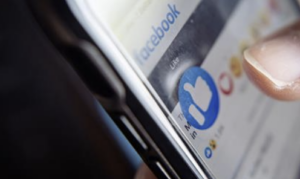
Freedom of speech on social media

Image of an individual using facboook on their phone
(Photo/AdobeStock)

Do state laws regulating social media content moderation violate the First Amendment rights of users? That’s the question at the heart of two landmark cases — NetChoice LLC v. Paxton and Moody v. NetChoice LLC — that will be argued jointly before the court on Feb. 24. Experts say the outcome of the cases could set a precedent for how platforms operate and users interact online, shaping everything from political discourse to misinformation control.

Erin Miller is an expert in theories of speech and free speech rights, and especially their application to mass media. She is an assistant professor of law at USC Gould.

Contact: emiller@law.usc.edu

###

Wendy Wood is an expert in the nature of habit, including behaviors that influence the spread of misinformation on social media. She is provost professor emerita of psychology and business at USC Dornsife.

Contact: wendy.wood@usc.edu

###

Morteza Dehghani is an expert political and moral language, textual and semantic analysis and morality. He is a professor of psychology and computer science at USC Dornsife.

Contact: mdehghan@usc.edu

###

_______________________________________________________________

Federal agency power and environmental protections

The Supreme Court has signaled that it is ready to overturn Chevron deference, a decades-old legal principle that determines who decides the meaning of ambiguous laws passed by Congress — judges or the federal agency tasked with enforcing them. Experts warn this potential power shift could have major implications for environmental regulations, public health and other critical policy areas.

The Court will also consider industry challenges, submitted through its fast-track appeals process or “shadow” docket, to the EPA’s “Good Neighbor” air pollution plan. This Clean Air Act rule shields downwind states from industrial pollution drifting across state lines.

“The Biden Administration is already (or should be) working on the assumption that the EPA will get no deference from the Supreme Court on any statutory interpretation issue related to climate change,” said Robin Craig, an expert in environmental law and the Robert C. Packard Trustee chair in law at USC Gould. “This is mostly relevant to the Clean Air Act, and the Court has made it abundantly clear that it is not giving the EPA any breathing room to adjust the statute to climate change realities.”

Contact: rcraig@law.usc.edu

###

Additional Experts

Clare Pastore is an expert in public interest law who has spent her career suing agencies on behalf of civil rights plaintiffs and low-income communities, which has often included litigating cases directly related to Chevron deference. Pastore is professor of the practice of law at USC Gould.

Contact: cpastore@law.usc.edu

###

Max Aung is an expert in environmental justice and an assistant professor in the Division of Environmental Health at the Keck School of Medicine of USC. Aung recently spoke about the risks of PFAS or “forever chemicals” at a press conference where California Attorney General Rob Bonta announced the state is enforcing new requirements for companies to disclose forever chemicals.

Contact: maxaung@usc.edu

###

_____________________________________________________________

Abortion pill access

Protestors clash outside the U.S. Supreme Court building
(Photo/iStock)

For the first time since overturning Roe v. Wade and its federal protections for abortion in 2022, the justices will revisit the abortion debate through a set of new cases —  FDA v. Alliance for Hippocratic Medicine and Danco Laboratories v. Alliance for Hippocratic Medicine — which will determine whether to restrict access to mifepristone, commonly known as the abortion pill.

Aya Gruber is an expert on criminal law and procedure, violence against women and critical theory. Gruber is professor of law at USC Gould.

Contact: agruber@law.usc.edu

###

Sofia Gruskin is an expert in global health, reproductive rights, and health equity. She directs the USC Institute on Inequalities in Global Health and has joint appointments at USC Gould and the Keck School of Medicine.

Contact: gruskin@usc.edu

###

Dima Qato leads interdisciplinary research efforts focusing on equity-driven drug utilization, access to medicines, and pharmaceutical policy. Qato serves as the Hygeia Centennial chair and associate professor at the USC Alfred E. Mann School of Pharmacy and Pharmaceutical Sciences. She is also a senior fellow at the USC Schaeffer Center for Health Policy and Economics.

Contact: qato@usc.edu

###

Brian Nguyen is an associate professor of clinical obstetrics and gynecology at the Keck School of Medicine. Nguyen is an expert in family planning, reproductive health and gender equity.

Contact: nguyenbt@usc.edu

###

_________________________________________________________________

Gun control, domestic violence and the Second Amendment

The U.S. Supreme Court is poised to issue rulings in several cases with potential impacts on gun control, free speech and firearm technology. In USA v. Rahimi, the Court will consider whether a federal law prohibiting gun ownership for individuals subject to domestic violence restraining orders violates the Second Amendment right to bear arms.


Other cases incude NRA v. Vullo, which will define the boundaries of free speech for state employees and its implications for how they discuss sensitive topics like gun control in their professional capacities, and Garland v. Cargill, which will determine the legal status of bump stocks.

“Firearms are used in over half the intimate partner deaths in America. Homicide is the leading cause of death of women who are pregnant and post-partum. One in three women will experience intimate partner violence over their lifetimes. This is a life-threatening, chronic existence for many women in this country,” said Annalisa Enrile, a teaching professor and expert in violence against women, gender equity and global justice at the USC School of Social Work. “We have to start taking intimate partner violence more seriously. This is not just about upholding policies to limiting access to firearms in domestic violence cases.”

Contact: enrile@usc.edu

###

Additional Experts

Gregory Keating is an expert in torts, legal ethics, and the law of negligence as it relates to risks of death and devastating injury. Keating is the William T. Dalessi professor of law and philosophy at USC Gould.

Contact: gkeating@law.usc.edu

###

Adam Zimmerman is an expert in mass tort law whose scholarship explores how class action attorneys, regulatory agencies and criminal prosecutors provide justice to large groups of people. Zimmerman is a professor of law at USC Gould.

Contact: azimmerman@law.usc.edu

###

Genetic mutation protects against Parkinson’s disease offers hope for new therapies

News Releases

Genetic mutation protects against Parkinson’s disease offers hope for new therapies

January 09, 2024

Mitochondria seen through a microscope
Photo: iStock

Newly discovered variant is a mitochondrial microprotein that could be key to developing future pharmaceutical interventions

Contact: Leigh Hopper at lhopper@usc.edu or Orli Belman at obelman@usc.edu

A previously unidentified genetic mutation in a small protein provides significant protection against Parkinson’s disease and offers a new direction for exploring potential treatments, according to a new USC Leonard Davis School of Gerontology study.

The variant, located in a mitochondrial microprotein dubbed SHLP2, was found to be highly protective against Parkinson’s disease; individuals with this mutation are half as likely to develop the disease as those who do not carry it. The variant form of the protein is relatively rare and is found primarily in people of European descent.

The findings appear this month in the journal Molecular Psychiatry.

First discovered by Pinchas Cohen at the USC Leonard Davis School in 2016, SHLP2 is made within the cell’s mitochondria. Previous research from the Cohen Lab established that SHLP2 is associated with protection from aging-related diseases including cancer and that levels of the microprotein change in patients with Parkinson’s disease; they rise as the body attempts to counteract the pathology of Parkinson’s disease but often fail to mount additional production as the disease progresses.

This latest finding builds upon the USC team’s prior mitochondrial research and represents an advance at the intersection of longevity science, precision health and microprotein discovery.

“This study advances our understanding of why people might get Parkinson’s and how we might develop new therapies for this devastating disease,” said Cohen, professor of gerontology, medicine and biological sciences and senior author of the study. “Also, because most research is done on well-established protein-coding genes in the nucleus, it underscores the relevance of exploring mitochondrial-derived microproteins as a new approach to the prevention and treatment of diseases of aging.”

For this study, first author Su-Jeong Kim, an adjunct research assistant professor of gerontology at the USC Leonard Davis School, led a series of experiments that leveraged the Cohen Lab-developed microprotein discovery pipeline that begins with a big data-driven analysis to identify variants involved in disease.

Thousands of human study subjects from the Health & Retirement Study, Cardiovascular Health Study, and Framingham Heart Study were screened for the SHLP2 variant. By comparing genetic variants in the mitochondrial DNA in patients with Parkinson’s disease and in controls, researchers found a highly protective variant found in 1% of Europeans, that reduced risk of Parkinson’s disease by twofold, to 50% of average.

Next, they demonstrated that this naturally occurring variant results in a change to the amino acid sequence and protein structure of SHLP2. The mutation – a single nucleotide polymorphism (SNP), or a change to a single letter of the protein’s genetic code – is essentially a “gain-of-function” variant that is associated with higher expression of SHLP2 and also makes the microprotein more stable. According to their findings, the SHLP2 variant has high stability compared to the more common type and provides enhanced protection against mitochondrial dysfunction.

The research team was able to use targeted mass spectrometry techniques to identify the tiny peptide’s presence in neurons and found that SHLP2 specifically binds to an enzyme in mitochondria called mitochondrial complex 1. This enzyme is essential for life, and declines in its function have been linked not only to Parkinson’s disease but also to strokes and heart attacks.

The increased stability of the SHLP2 variant means that the microprotein binds to mitochondrial complex 1 more stably, prevents the decline of the enzyme’s activity, and thus reduces mitochondrial dysfunction. The benefits of the mutant form of SHLP2 were observed in both in vitro experiments in human tissue samples as well as in mouse models of Parkinson’s disease, according to the study.

“Our data highlights the biological effects of a particular gene variant and the potential molecular mechanisms by which this mutation may reduce the risk for Parkinson’s disease,” said Kim. “These findings may guide the development of therapies and provide a roadmap for understanding other mutations found in mitochondrial microproteins.”

About this study

Coauthors included Brendan Miller, Nicolas G. Hartel, Ricardo Ramirez II, Regina Gonzalez Braniff, Naphada Leelaprachakul, Amy Huang, Yuzhu Wang, Thalida Em Arpawong, Eileen M. Crimmins, Kelvin Yen, Giselle M. Petzinger, Michael W. Jakowec, and Nicholas A. Graham of USC; Penglong Wang and Chunyu Liu of the National Heart, Lung, and Blood Institute, National Institutes of Health; and Xianbang Sun and Daniel Levy of Boston University.

This work was supported by Department of Defense grant W81XWH2110625 to Kim and by NIH grants P01AG034906, R01AG068405 and P30AG068345 to Cohen. Pinchas Cohen is a consultant of CohBar Inc.

###


Alzheimer’s diagnosis signals risk of shortened lifespan in patient’s siblings

Alzheimer’s lifespan: Two older women on a park bench

The study found that In identical twins, when one is diagnosed with dementia, both twins have a similarly shortened life expectancy. (Photo/iStock)

Health

Alzheimer’s diagnosis signals risk of shortened lifespan in patient’s siblings

USC and Swedish researchers find shorter lifespans among Alzheimer’s patients’ siblings, even those without the disease.

December 11, 2023

By Leigh Hopper

An Alzheimer’s diagnosis in a sibling raises the risk of a shortened lifespan in other family members — even those without dementia, according to new USC research based on data from the Swedish Twin Registry.

The study, published Monday in Alzheimer’s & Dementia: The Journal of the Alzheimer’s Association, suggests that the same combination of genetics and environment — nature plus nurture — that shortens longevity in someone with dementia may also shorten the life of siblings without dementia.

“We expected a different result. We expected that, in twins where one developed dementia and the other did not, the difference in lifespan would be just like we see in unrelated people,” said lead author Jung Yun Jang, who conducted the research as part of her doctoral studies in clinical science in the Department of Psychology at the USC Dornsife College of Letters, Arts and Sciences.

“We assumed the reason a person who has developed dementia has a shortened life expectancy is because the dementia leads to other medical conditions that affect mortality,” Jang said. “What we’re seeing instead is the increased risk of mortality is not due to just the dementia itself, but also a whole package of other influences that the person brings to their disease.”

In addition to Jang, other authors include Margaret Gatz, a professor of psychology, gerontology and preventive medicine at USC Dornsife; Christopher Beam, an assistant professor of psychology and gerontology at USC Dornsife; and Ida Karlsson and Nancy Pedersen of the Karolinska Institutet in Sweden.

Alzheimer’s lifespan: Longevity affected in siblings with — and without — dementia

The new study is part of Gatz and Pedersen’s landmark body of work on aging and cognition with the Swedish Twin Registry, a large cohort study of more than 45,000 Swedish twins. Across nearly 40 years, their collaborative work with twins — including genetically identical pairs — is designed to tease apart the roles of genes and environment.

Alzheimer’s lifespan: Two older men on a basketball court
The study included 90 pairs of identical twins and 288 pairs of fraternal twins, in which one twin had dementia while the other did not. (Photo/iStock)

Identical twins share 100% of their genotype; fraternal twins (and full siblings) share, on average, 50% of their genotype. Most twins — identical or fraternal — generally share the same rearing environment. That environment includes such factors as early life exposures to pollution, diet, education and physical activity.

This study included 90 pairs of identical twins and 288 pairs of fraternal twins, in which one twin had dementia while the other did not.

Jang confirmed that developing dementia affects longevity in a patient, and that people live for about seven years on average after a dementia diagnosis — a finding that has been confirmed in other studies.

Other findings included:

  • In identical twins, when one is diagnosed with dementia, both twins have a similarly shortened life expectancy.
  • In fraternal twins, when one is diagnosed with dementia, the twin who has not developed dementia has a slightly shortened life expectancy compared to someone who has no sibling with dementia.
  • The research suggests that dementia itself is not the sole cause of a shortened lifespan, but instead a combination of shared genes and environment. Both twins may develop cardiovascular disease, for example, which can contribute to dementia in one and shortened lifespans in both.

“What happens early in the life course is really important,” Gatz said. “You may not be able to change that for yourself, but it does seem like the message to parents is, make sure your kid eats healthy, make sure your kid gets exercise, make sure your kid gets an education. You’re actually contributing to giving that kid a lower chance of developing dementia 75 years later.”

Jang said she was inspired to pursue the research because “one of the most frequently asked questions when a family member receives a diagnosis of dementia is: How much time do we have?”

Jang added, “We believed that asking this question in twins would inform patients and families in making their financial and end-of-life decisions as they deal with this disease that causes losses over time.”


The work was supported by grants from the National Institutes of Health (R01 AG060470 and T32 AG000037); the Swedish Research Council for Health, Working Life and Welfare; the Strategic Research Program in Epidemiology at Karolinska Institutet; Loo and Hans Osterman’s Foundation; Foundation for Geriatric Diseases at Karolinska Institutet; and Karolinska Institutet’s Research Foundation.