USC scientists conducted one of the largest-ever multiethnic studies of smoking and epigenetics. It could lead to better ways of predicting risk of smoking-related disease.
Category: Uncategorized
Diet linked to preeclampsia among low-income Hispanic women during pregnancy
A new USC study suggests that interventions in diet during pregnancy could help address this health disparity faced by Latinas.
11 USC researchers named National Academy of Inventors senior members
The National Academy of Inventors is a nonprofit member organization that encourages inventors in higher education. (Photo/iStock)
Science/Technology
11 USC researchers named National Academy of Inventors senior members
The honor recognizes innovation that has a real impact on the welfare of society.
Eleven USC researchers on Tuesday were named senior members of the National Academy of Inventors, a nonprofit member organization that encourages inventors in higher education.
Election as an NAI senior member recognizes remarkable innovation producing technologies that have brought, or aspire to bring, real impact on the welfare of society. The honor also represents growing success in patents, licensing and commercialization, while educating and mentoring the next generation of inventors.
The USC members of the NAI Class of 2024 are Peter A. Beerel, Yang Chai, Denis Evseenko, Qiang Huang, Justin Ichida, Bart Kosko, Peter Kuhn, Daniel A. Lidar, J. Andrew MacKay, Wei-Min Shen and Travis Williams.
“Today’s announcement reflects the amazing innovation that takes place at USC every day,” USC President Carol Folt said. “These 11 outstanding faculty members — the most NAI inductees from USC in any one year — showcase our unique multidisciplinary, multischool approach. Their work crosses fields of dentistry, engineering, medicine, pharmacy and more to create a future of possibility and opportunity. We salute these inductees for their well-earned recognition.”
The 11 Trojans join 20 current and emeritus USC faculty members in the NAI ranks. They will officially be recognized on June 17 during NAI’s annual meeting.
“This year’s cohort of 11 USC inductees as senior members of the National Academy of Inventors is a huge honor,” said Ishwar K. Puri, USC senior vice president of research and innovation. “The breadth of expertise recognized in this year’s cohort testifies to the wide array of world-leading inventors, engineers, scientists and clinicians at USC. Their innovations have invented tomorrow’s solutions, which improve human lives and fuel economic growth.”
Peter A. Beerel
Professor of electrical and computer engineering, USC Viterbi School of Engineering
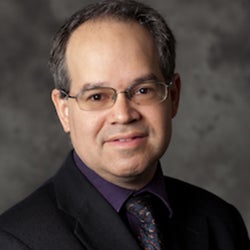
Beerel has a history of innovation in the area of Very Large Scale Integration (VLSI), the process of designing semiconductor chips with millions of transistors. His more recent significant contributions are in the areas of hardware security, superconducting electronics and machine learning.
Beerel joined the Department of Electrical and Computer Engineering in 1994, and he’s currently a full professor and associate chair of the computer engineering division. He’s also a research director and distinguished principal scientist at USC Viterbi’s Information Sciences Institute. Previously, he was the faculty director of innovation studies at the USC Stevens Center for Innovation from 2006 to 2008 and co-founded TimeLess Design Automation in 2008.
Yang Chai
University Professor, George and Mary Lou Boone Chair in Craniofacial Molecular Biology and associate dean of research at the Herman Ostrow School of Dentistry of USC; University Professor of Biomedical Sciences, Otolaryngology — Head & Neck Surgery, and Stem Cell Biology and Regenerative Medicine at the Keck School of Medicine of USC
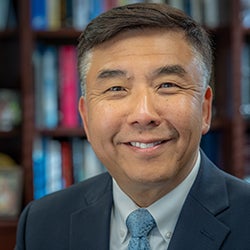
Chai has invented a system meant to regenerate skull bone to address deformities, comprising a 3D-printed scaffold seeded with stem cells. The technology comes out of discoveries from his laboratory about the molecular and cellular mechanisms behind congenital birth defects.
Chai recently launched early interactions with the Food and Drug Administration, on the path to phase 1 trials of the scaffolds in patients. In addition, he continues work toward an innovative tissue regeneration system for patients with cleft palate, a condition that is the major focus of his work. His research is motivated by his own experience as a clinician interacting with parents of children born with deformities to the face and head.
“The surgery was always successful, but I didn’t have any answers about why the birth defect happened, whether a future child in the family may also have one or how it could be prevented,” he said. “We tried to understand the basic mechanisms, then shifted our efforts to use some of the knowledge we gained. We aim to provide a biological solution for a biological problem, instead of using a titanium plate to repair the skull defects.”
An extended version of this profile of Chai appears on Keck School of Medicine website.
Denis Evseenko
J. Harold and Edna La Briola Chair in Genetic Orthopaedic Research, vice chair for research, director of skeletal regeneration and professor of orthopedic surgery, stem cell biology and regenerative medicine, Keck School of Medicine of USC
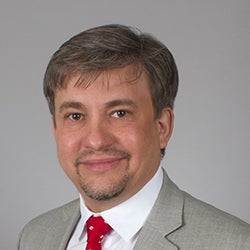
Evseenko has created a series of treatment technologies that address injury and illness of the joints.
One is an injection designed to calm inflammation in osteoarthritis and potentially supplant joint replacement surgery. (Phase 1 clinical trials are imminent.) Another is a surgical implant that delivers stem cell-derived cartilage to replace damaged tissue from sports injuries and prevent degenerative joint disease, with first-in-human trials likely to begin this year. Most recently, Evseenko and his team have invented a drug to moderate a mechanism of the immune system that misfires and attacks aging cells, with potential application for inflammation affecting multiple body systems.
For Evseenko, election to the NAI validates the time and effort he has devoted to driving his discoveries from the lab to application.
“It’s meaningful to know that all the small steps we took, day after day, to move us forward toward our goals were leading in a fruitful direction,” he said. “I had to make some difficult decisions along the way, and this recognition tells me that they were the right ones.”
An extended version of this profile of Evseenko appears on the Keck School of Medicine website.
Qiang Huang
Professor of industrial and systems engineering, and chemical engineering and materials science, USC Viterbi
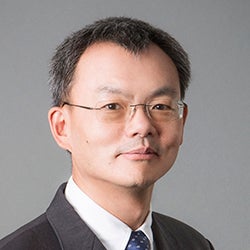
Huang is an expert in the field of smart manufacturing.
Huang’s research focuses on how machine learning can be harnessed for additive manufacturing (3D printing). His work also covers quality control theory and methods for personalized manufacturing, domain-informed machine learning methods for smart manufacturing, and nanomanufacturing analytics. Huang holds five U.S. patents on 3D printing accuracy control. The Huang Lab has been developing fabrication-aware machine learning algorithms and computation-driven quality control tools to make 3D printing smarter.
Justin Ichida
John Douglas French Alzheimer’s Endowed Professor in Regenerative Medicine, associate professor of stem cell biology and regenerative medicine, Keck School of Medicine
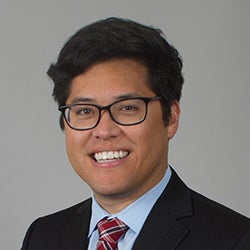
Ichida centers his research on amyotrophic lateral sclerosis (ALS), a rare, deadly neurodegenerative disorder that occurs during middle age and disrupts the ability to control muscle movement. He has developed a technology that can turn cells from ALS patients’ blood samples into nerve cells.
The invention is one of the first successful attempts to drive the development of adult cells backward to the stem cell stage and then coax them to grow into a different type of cell. From the Petri dish, he and his team can then delve into the mechanisms behind the illness — which are yet poorly understood — and test potential treatments.
“ALS has a huge unmet need,” Ichida said. “It’s hard to study by traditional methods because we don’t know what the genetic causes are for most patients. Our technology allows us to unlock insights that we couldn’t otherwise.”
An extended version of this profile of Ichida appears on the Keck School of Medicine website.
Bart Kosko
Professor of electrical and computer engineering, USC Viterbi; professor, USC Gould School of Law
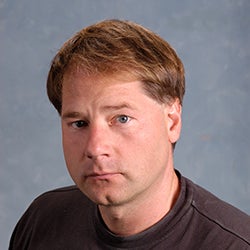
Kosko has enjoyed an eclectic career at the university. He came to USC from Kansas on a scholarship for music composition, then earned bachelor’s degrees in philosophy and mathematical economics, inspiring his neural work. The university hired him in 1987 to join the then-new Neural, Informational and Behavioral Sciences program. He has also published several textbooks, trade books (including, in 1993, Fuzzy Thinking: The New Science of Fuzzy Logic) and novels.
Last year, Kosko received the prestigious Donald O. Hebb Award from the International Neural Network Society for his careerlong contributions to the field of neural learning.
Peter Kuhn
Dean’s Professor of Biological Sciences, USC Dornsife College of Letters, Arts and Sciences; professor of medicine and urology, Keck School of Medicine; professor of biomedical engineering and of aerospace and mechanical engineering, USC Viterbi; director, Convergent Science Institute in Cancer, USC Michelson Center for Convergent Bioscience
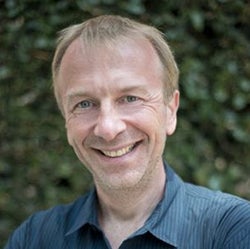
After early success in drug development for cancer, Kuhn turned his sights to leading the charge in advancing liquid biopsies, a type of blood test that detects and characterizes circulating tumor cells. Although he focuses on breast cancer, a disease his mother faced, his inventions have been applied for treating prostate cancer as well. His technology has been in use for oncology care since 2016.
A personal highlight was when others started using his invention and the thrill derived from seeing that success: A colleague published a clinical study showing that one of his inventions was effective in differentiating between which patients would benefit from one treatment over another in fighting cancer.
“That was the best day of my life, and I didn’t even know about the study before it came out,” Kuhn said with a smile. “It wasn’t just seeing this striking result. It was knowing that they could do it without me. There are a lot of hurdles, and it’s an incredible feeling when something makes it through — and makes a difference for patients.”
Extended versions of this profile of Kuhn appear on the USC Dornsife website and the Keck School of Medicine website.
Daniel A. Lidar
Professor of electrical and computer engineering, chemistry, and physics and astronomy, USC Viterbi
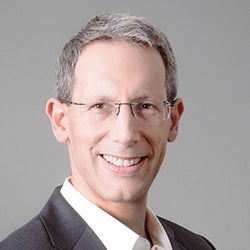
Daniel A. Lidar was recognized for his inventions in the area of quantum computing, which have led to six issued patents. These patents cover areas such as quantum teleportation, error correction, and optimization.
Lidar joined USC in 2005, and he is the holder of the Viterbi Professorship of Engineering. He has joint appointments in electrical and computer engineering as well as chemistry and physics. He’s also the director of the USC Center for Quantum Information Science and Technology and the co-director of the USC-Lockheed Martin Center for Quantum Computing.
Andrew MacKay
Gavin S. Herbert Associate Professor of Pharmaceutical Sciences, USC Alfred E. Mann School of Pharmacy and Pharmaceutical Sciences
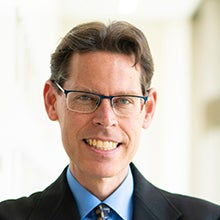
MacKay’s lab is focused on engineering protein-polymer tools that hold the potential to transform the development of precision, multifunctional drug carriers.
“Drug delivery in the eye and cancer is often limited by access to and retention at the target site,” explained MacKay, who has six issued U.S. patents, with four focusing on ocular applications of his technology. “Our strategy is to repackage drugs and functional peptides into protein-polymers that control release and reduce toxicity.”
“Our group has recently made significant breakthroughs by assembling polypeptide ‘microdomains’ on the surface of and inside living cells,” added MacKay, who holds secondary appointments in biomedical engineering and ophthalmology and serves as executive editor for the journal Advanced Drug Delivery Reviews. He also serves as a panel reviewer for the U.S. National Institutes of Health, primarily as a member of a nanomedicine-focused study section. “When decorated with functional proteins, these polypeptides are helping us to precisely modulate cellular biology and design new therapies.”
Wei-Min Shen
Associate professor of computer science practice and a research associate professor in computer science, director of the Polymorphic Robotics Laboratory, USC Viterbi; associate director of the Center for Robotics and Embedded Systems at USC
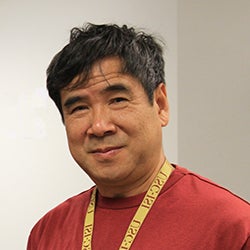
Shen’s research interests include self-reconfigurable and metamorphic systems, autonomous robots, machine learning and artificial intelligence. He is the author of Autonomous Learning from Environment, a book that explores how machines learn from their environment based on “surprises.”
He has served as chair and committee member for international conferences and workshops in robotics, machine learning and data mining, and as editorial board members for scientific books and research journals. His research activities have been reported by leading scientific journals such as Science and Nature, and in media outlets including CNN, PBS and Discovery.
Travis Williams
Professor of chemistry, USC Dornsife
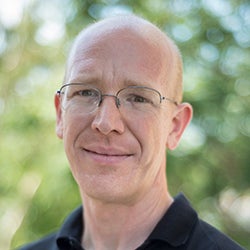
Williams, who holds 10 patents and numerous awards recognizing the inventive value of his work, said being named an NAI senior member is a result of USC’s visionary support of innovators like himself.
“NAI recognition falls out of the university’s deliberate decisions to invest in patenting bizarre things from my lab, tenuring someone who quit working on what he was hired to do, and stoking innovation through the Wrigley Prize and the [National Science Foundation’s] I-Corps hub,” he said. “While I’ve been an enthusiastic product of my environment, USC Dornsife and the university engineered this through a generations-old commitment to innovation and public impact.”
Williams’ research has borne considerable fruit, including Closed Composites, which aims to recycle carbon fiber materials from old aircraft parts, and Catapower Inc., converting used oil from deep fryers into biodiesel and environmentally sound antimicrobial agents. Williams has even co-developed a method to turn plastic waste from the Great Pacific Garbage Patch into compounds to make pharmaceuticals and other useful products.
An extended version of this profile of Williams appears on the USC Dornsife website.
About the National Academy of Inventors
The NAI was founded to recognize and encourage inventors with U.S. patents, enhance the visibility of academic technology and innovation, encourage the disclosure of intellectual property, educate and mentor innovative students, and create wider public understanding of how its members’ inventions benefit society. The academy now comprises 4,600 individual members at more than 300 universities, governmental agencies and nonprofit research institutes worldwide.
USC’s Caitlin Dawson, Landon Hall, Greta Harrison, John Hobbs, Darrin Joy, Laura LeBlanc, Michele Keller, Paul McQuiston and David Medzerian contributed to this report.
First NEMO Prizes fund research partnerships at the intersection of health and engineering
One group of NEMO Prize recipients consists of Brian E. Applegate, Wade Hsu and John S. Oghalai (top row, from left); the other group is Eun Ji Chung, Ken Hallows and Nuria Pastor-Soler. (Hsu Photo/Courtesy of Wade Hsu; Chung Photo/Chris Shinn; all other photos/Ricardo Carrasco III)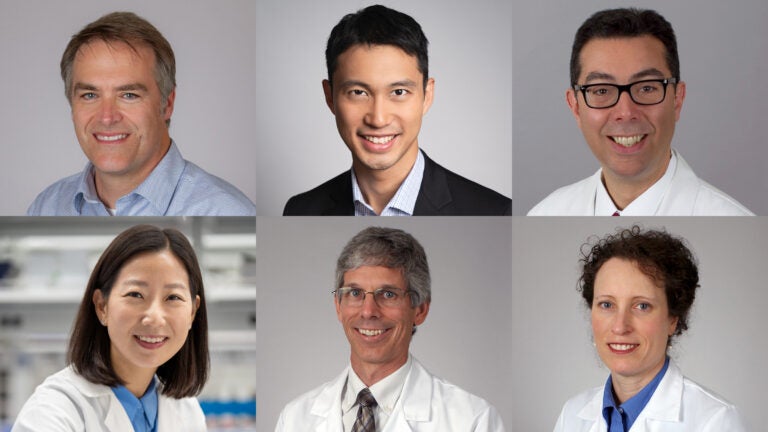
Science/Technology
First NEMO Prizes fund research partnerships at the intersection of health and engineering
Awards were given to two USC research teams to fund collaborations between engineering and one or more of the university’s five health sciences schools.
USC’s Office of the Senior Vice President for Health Affairs has awarded the university’s inaugural NEMO Prizes to two teams of USC researchers across the University Park and Health Sciences campuses.
The NEMO Prize originates from a generous gift from Shelly and Ofer Nemirovsky. After Ofer Nemirovsky, a University of Pennsylvania business and engineering graduate, started the prize at his alma mater, the couple looked for an opportunity to do the same at USC, from which Shelly Nemirovsky graduated in 1985 and now serves on the Board of Trustees and as a member of the President’s Leadership Council.
“It’s really life-affirming for me to watch what can happen when the right minds get in the right room together,” Shelly Nemirovsky said. “The notion of putting the school of engineering and school of medicine together, and what they might accomplish — it’s just extraordinary.”
The winners of the highly selective $125,000 prizes — which will be presented annually to two teams for the next five years — proposed projects designed to bridge the gap between ideas and clinical breakthroughs in health and engineering collaborations. The prize aligns with President Carol Folt’s Transforming Health Sciences “moonshot,” which leverages USC’s research, medical training and clinical care to innovate and better serve patients and the community.
One of the winning projects, “RNA-BASED Nanoparticle Therapy for Polycystic Kidney Disease,” includes Keck School of Medicine of USC Professor Ken Hallows and Associate Professor Nuria Pastor-Soler, director and co-director, respectively, of the USC Polycystic Kidney Disease Clinic at Keck Medicine of USC, in collaboration with Associate Professor Eun Ji Chung, the Dr. Karl Jacob Jr. and Karl Jacob III Early-Career Chair at the USC Viterbi School of Engineering. The trio aims to perfect a therapy to target the root cause of polycystic kidney disease, before patients need dialysis or a kidney transplant.
The second group of prize winners includes electrical and computer engineering professor Wade Hsu and otolaryngology — head and neck surgery and biomedical engineering professors Brian E. Applegate and John S. Oghalai in a project titled “Through-Bone Optical Tomography of the Human Cochlea.” Prize funds will go toward developing a method for imaging the inner ear to address issues related to hearing loss and vertigo.
“These awards are an exciting reflection of the power of collaboration between engineering and health sciences, and how individual strengths are magnified when researchers from different schools combine their skills, expertise and dedication to scientific discovery,” said Steven D. Shapiro, USC’s senior vice president for health affairs. “Together, we are stronger as we continue our mission of delivering lifesaving medical care and research.”
Targeting the root cause of disease
Hallows describes polycystic kidney disease (PKD) as one of the most common, potentially lethal genetic diseases, cutting across all backgrounds. According to the research team, roughly half of patients with PKD will need kidney replacement therapy by the age of 50 to 60 years old.
The only FDA-approved therapy for PKD is a drug called tolvaptan, which isn’t well-tolerated in a large percentage of patients, Hallows said. Because the medication is taken orally, it can affect other organs in the body and cause issues such as frequent urination and liver dysfunction.
“There’s really a need for new therapies [for PKD] that are well-tolerated and target the root cause of the disease while correcting downstream signaling pathways that are dysregulated in the disease,” Hallows said. The team specified that almost all people with PKD have a mutation in one of two proteins called polycystins, which are encoded by the genes PKD1 and PKD2. These proteins are important for normal cellular function and growth control, as well as the polarity of cells that line the kidney, liver and other organs.
“The therapy that we won the NEMO Prize for is actually targeting those underlying mutations,” Hallows said. The team plans to address the genetic basis of the disease directly through mRNA delivered using nanoparticles, a method Hallows and Chung have collaborated on for the past seven years. While nanoparticles have been used as delivery systems in medicine for years — including with drugs to treat other diseases in other tissues — the team’s method is unique in that the delivered mRNA will go straight to the kidney to target the specific mutation found in the majority of PKD patients, ideally without side effects in other parts of the body, Chung said.
Chung, a nanoparticles engineer, first began developing nanoparticles designed to treat heart disease as a postdoctoral researcher at the University of Chicago. She noticed that the nanoparticles would go to the kidneys when the size and surface was tuned, which sparked an “aha” moment for the engineer.
“It was a coincidence that ultimately led to a lot of new innovation in my group,” said Chung, whose team became well-known for kidney nanomedicine after the discovery. “For the kidney, there’s just been a lack of innovation.”
When Chung made the move to USC, she reached out to Hallows, who shared his research interest in PKD that he was already working on with Pastor-Soler. The pair have been collaborating since then.
“The NEMO Prize has the potential to be transformational,” Pastor-Soler said. “The fact that they’re putting resources to support these types of collaborations is really encouraging and really timely.”
Using innovation to treat a growing health issue
The second winning USC team also views their NEMO Prize as an opportunity to use innovation to address common, hard-to-treat illnesses. According to the World Health Organization, by 2050 nearly 2.5 billion people will be living with some degree of hearing loss worldwide. At least 700 million will need some form of rehabilitation services. While there are many health issues that can lead to a diagnosis of hearing loss and vertigo — another issue involving the inner ear — Oghalai said there are few options for pinpointing a root cause. “MRIs and CT scans are all we have right now, and the resolution is too low to see any of the cells or tissues,” he said.
Applegate and Oghalai have worked toward addressing this issue for many years using a technique called optical coherence tomography (OCT) — commonly used by ophthalmologists to look at the inner part of the eye — to image the inner ears of both human and mouse subjects. While the technique has been very successful in mice, imaging human subjects has been challenging because our inner ear is blocked by a “thicker layer of bone,” Hsu said. This is an issue because bone scatters light, distorting imaging attempts of the inner ear. “The reason we send a telescope into space is so you don’t have the distortion of trying to look at a star through the atmosphere,” Oghalai said. He explained that the equivalent in a human would be sticking a tiny endoscope into the inner ear, which would be damaging.
Recently, however, Hsu’s group has begun developing a computational imaging method called scattering matrix tomography (SMT) that uses computer applications typically used in astronomy to improve the resolution and depth of imaging for the inner ear.
With their NEMO Prize, the three hope to join forces to use Hsu’s computational imaging method to overcome the limitations Applegate and Oghalai have experienced with the OCT technique.
“Nobody has been able to image the inner ear of humans with the resolution needed up to now,” Hsu said. “We hope to be the first to do that.”
The team is currently using preliminary technology from this approach to scan the outer ear of patients while continuing to do clinical trials on dead mice. This immediate goal is to move on to live mice and, once Hsu’s algorithms are perfected, live humans. Their long-term goal is to develop a hand-held, noninvasive SMT-OCT device for accurate imaging from the ear canal, Applegate said. The medical instrument would aid in diagnosis, creation of therapeutic interventions and the investigation of new therapies to treat and prevent hearing loss and vertigo.
“We just are so thankful for SVP Shapiro’s office for organizing this, and for the Nemirovsky family for donating the funds to support this prize,” Oghalai said. “We’re super excited to get this to work, and I think it’s going to help people.”
Partnership as a key to success
“We are thrilled that our faculty will receive NEMO Prize funding to pursue their research on the human cochlea and on polycystic kidney disease,” said Yannis C. Yortsos, dean of USC Viterbi. “Their partnership with their research collaborators from the Keck School of Medicine is key to the success of their projects. Such interdisciplinary collaborations not only form an essential element of the NEMO Prize but are necessary in today’s increasing convergence of the disciplines in health sciences and engineering.”
The NEMO Prize Steering Committee sought applicants who proposed exciting health-engineering collaborations that will be competitive for future follow-up funding from other sources and have the potential to improve health, health outcomes and health delivery down the road.
“Sometimes it gets a little siloed in academia; this [award] gives people the opportunity to share in a way where they’re not competing, but rather working together,” said Shelly Nemirovsky, whose brother and two out of three children also attended USC. The couple also gave a gift to create the Nemirovsky Residential College at USC Village in 2017 and funds the Shelly and Ofer Nemirovsky Provost’s Chair. “My hope is that researchers continue to talk across schools to find the great palliative ways to treat some of these horrible diseases out there. I think the possibilities are really limitless.”
Could AI help us prepare for the next pandemic?
Elizabeth Ondula, a USC doctoral student in computer science, examines how policymakers and administrators can leverage AI to prepare for an infectious disease outbreak.
Shri Narayanan named USC vice president for presidential initiatives
Shri Narayanan has been named USC vice president for presidential initiatives. (Photo/Angel Ahabue)
Science/Technology
Shri Narayanan named USC vice president for presidential initiatives
With expertise bridging a wide range of disciplines from computer science to linguistics and medicine, Narayanan will focus on bringing together presidential “moonshots” and expanding their reach.
Shrikanth “Shri” Narayanan, a USC University Professor known for his pioneering research in human-centered sensing, computing and information processing, has been appointed vice president for presidential initiatives, USC President Carol Folt announced Thursday.
Narayanan will be the first to hold this position. An internationally acclaimed scholar, Narayanan holds academic appointments in multiple schools and institutes at USC, including the USC Viterbi School of Engineering, the Keck School of Medicine of USC and the USC Dornsife College of Letters, Arts and Sciences.
 “Advances are taking place at an astonishing rate in the evolving fields encompassed by our ‘moonshots.’ This role was created to focus not only on implementing, but also continually broadening, amplifying and weaving our moonshots together, so USC remains at the forefront of discovery and innovation,” Folt said. “Professor Narayanan is the perfect choice for this role. He has built teams from across multiple schools, locations, disciplines, units and approaches. His energy and innovation are infectious, and the work he takes on flourishes.”
Narayanan begins the role at a pivotal time. The university now is part of an exclusive group of research institutions that have surpassed $1 billion in research spending, thanks to significant investments in the president’s moonshots.
USC also is making rapid progress on the USC Frontiers of Computing initiative, and just celebrated the launch of the USC School of Advanced Computing and the naming of its first director, Gaurav Sukhatme from USC Viterbi. Focusing on bringing these moonshots together will be a primary focus at the outset.
Narayanan’s experience spans academia and industry. A visiting faculty researcher at Google, he holds joint appointments in multiple areas: computer science and electrical engineering, linguistics, psychology, neuroscience, pediatrics, and otolaryngology — head and neck surgery.
“Shri is a Renaissance scholar who understands the why and the how of integrating diverse aspects of USC research to produce meaningful impact,” said Ishwar K. Puri, senior vice president of research and innovation. “Integrating the various presidential initiatives and moonshots will prime USC for research focused on creating a healthier and cleaner world.”
Narayanan will report directly to the president, and will work closely with the university’s senior leadership team, deans, institute directors and scholars from all schools.
“I am inspired by President Folt’s vision of educating the next generation to contribute to society, both individually and collectively,” said Narayanan. “As we advance knowledge across different domains — scientific, technological, creative — we must translate that knowledge into real-world solutions. The collision of creative and technological minds, which USC and Los Angeles are known for, is a powerful engine of innovation.”
Narayanan envisions establishing even more connections through his new role beyond those he has built as a research director at the USC Information Sciences Institute, known for its historic achievements in computer science, and as director of the Signal Analysis and Interpretation Laboratory at USC Viterbi.
A connector who gets results
Throughout his 25 years at the university, Narayanan has been a collaborator. “Shri knows how to combine the rigor of science and engineering with the heart of humanities,” said Yannis C. Yortsos, dean of USC Viterbi. “He has shown in his own work the value of bringing together creative teams, and his enthusiasm for discovery is a powerful force for engaging students, faculty and staff from all fields.”
In 2020, for example, Narayanan and a team of computer scientists and psychologists used artificial intelligence and neuroimaging to uncover surprising connections between musical elements and physiological responses. Their work opened doors for novel music therapy to treat anxiety, pain and even dementia.
Assal Habibi, an associate professor (research) of psychology at USC Dornsife who co-authored the study, said Narayanan “has a unique ability to lead teams with a clear vision, fostering a research environment where creativity and rigor thrive equally.”
In other notable research, Narayanan and his team at the Signal Analysis and Interpretation Laboratory partnered with the Geena Davis Institute on Gender in Media in 2017 to develop an AI tool that uses facial recognition, audio analysis and language processing to objectively track gender bias in Hollywood films.
More recently, Narayanan has spearheaded PRECOG, which harnesses neuroscience, linguistics and human-centered machine learning to improve screening for depression and suicidal ideation. The PRECOG team of USC and UCLA researchers are developing automated screening tools that analyze subtle changes in voice and behavior to paint a more comprehensive picture of mental health and well-being.
Trojan ties run deep
In her letter announcing Narayanan’s position, Folt wrote: “Many of you already know Shri and his infectious energy and passion for discovery. He shares my belief that even the smallest idea can blossom into a world-class solution, particularly if you bring in a wide range of voices from the outset. He tells me he sees a university without walls or boundaries. This is precisely the approach we need to connect and integrate talent, ideas and strengths from across the institution.”
Before Narayanan became a USC scientist, he was a UCLA graduate student who often visited the University Park Campus not just for good food and music with friends, but for the sense of belonging he found at USC.
“I was drawn to USC’s diverse student body, especially its vibrant community of Indian students,” he said. “You’d hear a lot about the ‘Trojan Family,’ but I didn’t fully understand the meaning until years later, after becoming a member and then a parent.”
In 2019 and 2020, Narayanan’s daughter graduated from USC with a Bachelor of Arts and a Master of Arts in English, respectively. He had the honor of presenting her diploma in 2019.
In that moment, the esteemed scholar and researcher was simply a father, beaming with Trojan pride.
“My proudest accomplishment yet,” he said.
Fasting-like diet lowers risk factors for disease, reduces biological age in humans
A USC study shows how cycles of a fasting-mimicking diet reduce insulin resistance, liver fat, immune system aging and biological age in clinical trial patients.
This common medication could save half a million children’s lives each year. So why is it underprescribed?

A new study by researchers at USC explains why kids aren’t getting a cheap, effective treatment for diarrhea.
Contact: Nina Raffio, raffio@usc.edu or 213-442-8464; Jenesse Miller,jenessem@usc.edu or 213-810-8554
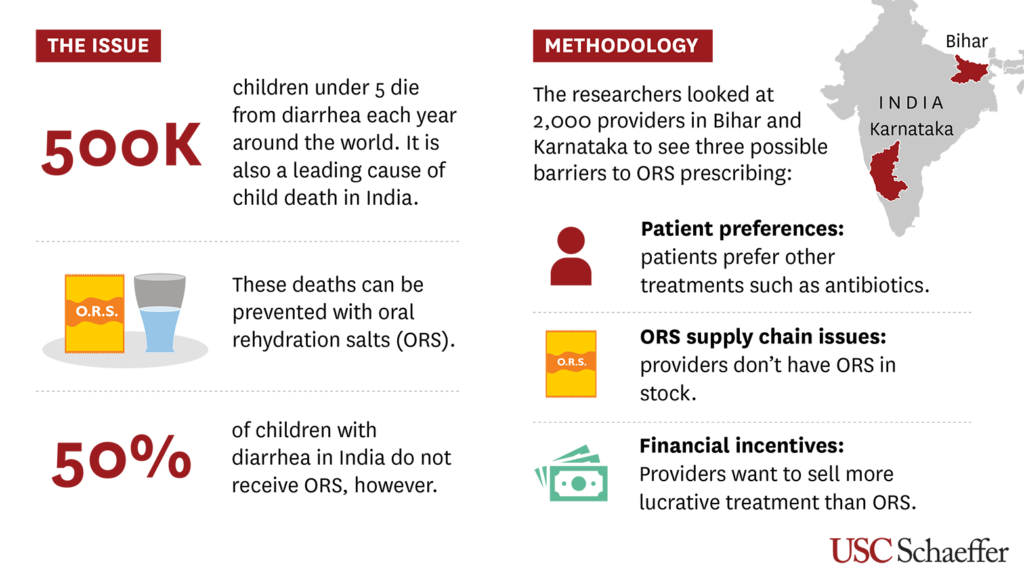
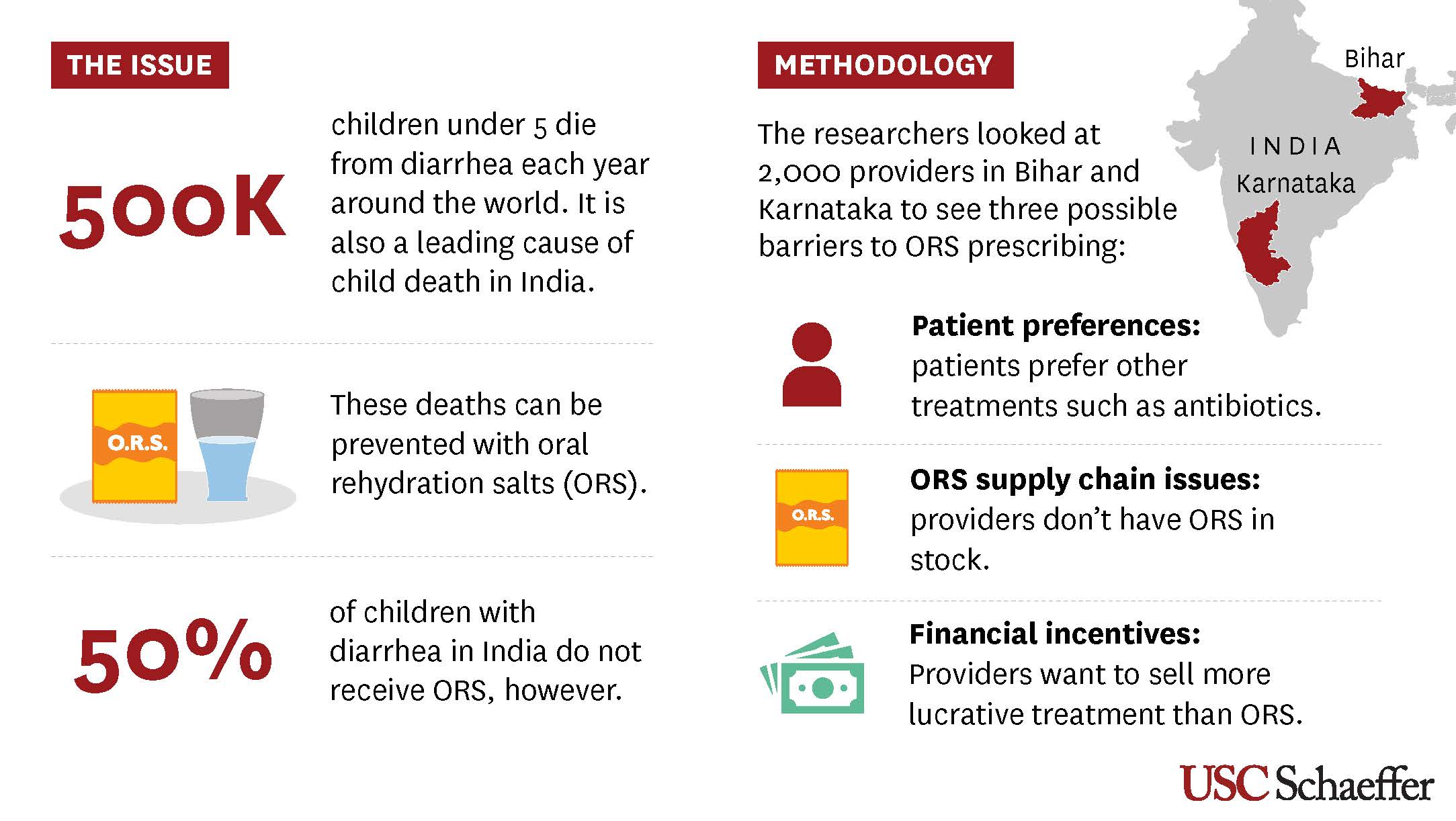
Health care providers in developing countries know that oral rehydration salts (ORS) are a lifesaving and inexpensive treatment for diarrheal disease, a leading cause of death for children worldwide — yet few prescribe it.
A new study published in Science suggests that closing the knowledge gap between what treatments health care providers think patients want and what treatments patients really want could help save half a million lives a year and reduce unnecessary use of antibiotics.
“Even when children seek care from a health care provider for their diarrhea, as most do, they often do not receive ORS, which costs only a few cents and has been recommended by the World Health Organization for decades,” said Neeraj Sood, senior author of the study, senior fellow at the USC Schaeffer Center for Health Policy & Economics and a professor at the USC Price School of Public Policy.
“This issue has puzzled experts for decades, and we wanted to get to the bottom of it,” said Sood, who also holds joint appointments at the Keck School of Medicine of USC and the USC Marshall School of Business.
A closer look at childhood illness in India
There are several popular explanations for the underprescription of ORS in India, which accounts for the most cases of child diarrhea of any country in the world:
- Physicians assume their patients do not want oral rehydration salts, which come in a small packet and dissolve in water, because they taste bad or they aren’t “real” medicine like antibiotics.
- The salts are out of stock because they aren’t as profitable as other treatments.
- Physicians make more money prescribing antibiotics, even though they are ineffective against viral diarrhea.
To test these three hypotheses, Sood and his colleagues enrolled over 2,000 health care providers across 253 medium-size towns in the Indian states of Karnataka and Bihar. The researchers selected states with vastly different socioeconomic demographics and varied access to health care to ensure the results were representative of a broad population. Bihar is one of the poorest states in India with below-average ORS use, while Karnataka has above-average per capita income and above-average ORS use.
The researchers then hired staff who were trained to act as patients or caretakers. These “standardized patients” were given scripts to use in unannounced visits to doctors’ offices where they would present a case of viral diarrhea — for which antibiotics are not appropriate — in their 2-year-old child. (For ethical considerations, children did not attend these visits.) The standardized patients made approximately 2,000 visits in total.
Providers were randomly assigned to patient visits where patients expressed a preference for ORS, a preference for antibiotics or no treatment preference. During the visits, patients indicated their preference by showing the health care provider a photo of an ORS packet or antibiotics. The set of patients with no treatment preference simply asked the physician for a recommendation.
To control for profit-motivated prescribing, some of the standardized patients assigned as having no treatment preference informed the provider that they would purchase medicine elsewhere. Additionally, to estimate the effect of stockouts, the researchers randomly assigned all providers in half of the 253 towns to receive a six-week supply of ORS.
Provider misperceptions matter most when it comes to ORS underprescribing
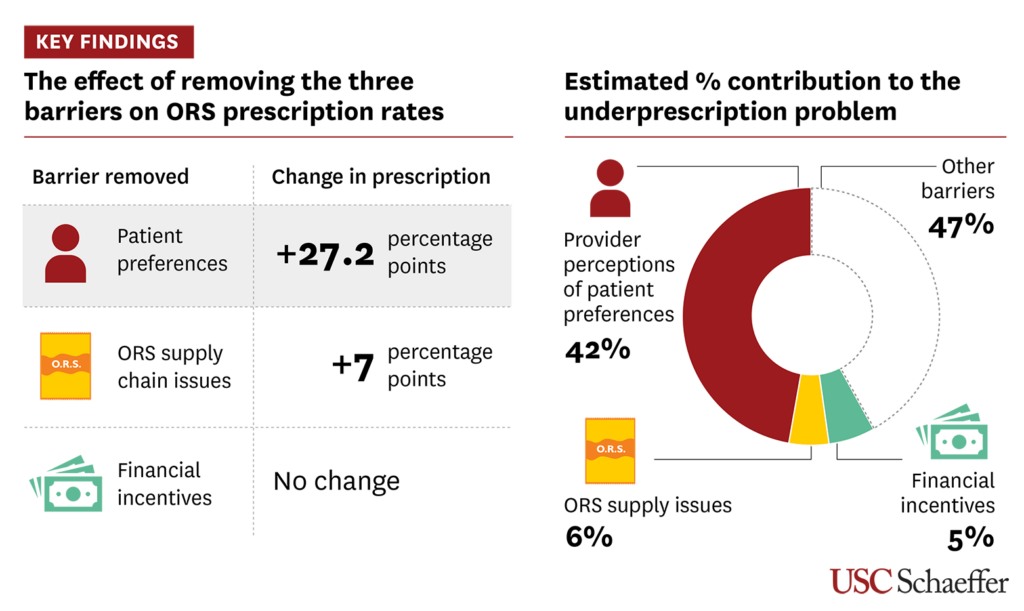
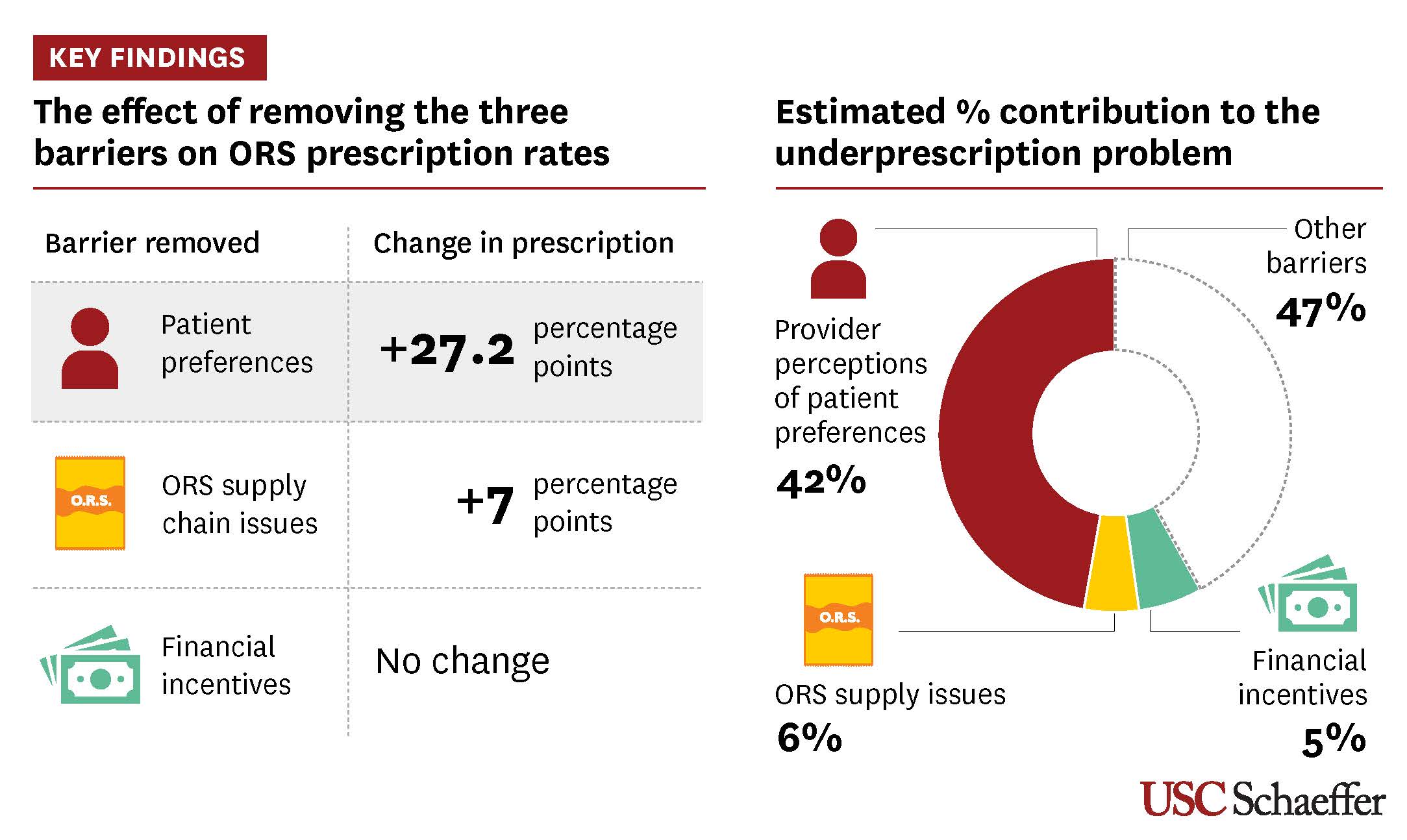
Researchers found that provider perceptions of patient preferences are the biggest barrier to ORS prescribing — not because caretakers do not want ORS, but rather because providers assume most patients do not want the treatment. Health care providers’ perception that patients do not want ORS accounted for roughly 42% of underprescribing, while stockouts and financial incentives explained only 6% and 5%, respectively.
Patients expressing a preference for ORS increased prescribing of the treatment by 27 percentage points — a more effective intervention than eliminating stockouts (which increased ORS prescribing by 7 percentage points) or removing financial incentives (which only increased ORS prescribing at pharmacies).
“Despite decades of widespread knowledge that ORS is a lifesaving intervention that can save lives of children suffering from diarrhea, the rates of ORS use remain stubbornly low in many countries such as India,” said Manoj Mohanan, co-author of the study and professor of public policy, economics, and global health at the Sanford School of Public Policy at Duke University. “Changing provider behavior about ORS prescription remains a huge challenge.”
Study authors said these results can be used to design interventions that encourage patients and caretakers to express an ORS preference when seeking care, as well as efforts to raise awareness among providers about patients’ preferences.
“We need to find ways to change providers’ perceptions of patient preferences to increase ORS use and combat antibiotic resistance, which is a huge problem globally,” said Zachary Wagner, the study’s corresponding author, an economist at RAND Corporation and professor of policy analysis at Pardee RAND Graduate School. “How to reduce overprescribing of antibiotics and address antimicrobial resistance is a major global health question, and our study shows that changing provider perceptions of patient preferences is one way to work toward a solution.”
About the study
In addition to Sood, Wagner and Mohanan, co-authors of the study include Rushil Zutshi of RAND Corporation and Pardee RAND Graduate School and Arnab Mukherji of the Indian Institute of Management Bangalore.
This research was funded by the National Institute of Diabetes and Digestive and Kidney Diseases (Grant 5R01DK126049).
A common medication could save half a million children each year. So why is it underprescribed?
Neeraj Sood and associates tested three theories as to why oral rehydration salts aren’t prescribed more often. (Illustration/Rika Kanaoka; Image Source/Shutterstock) 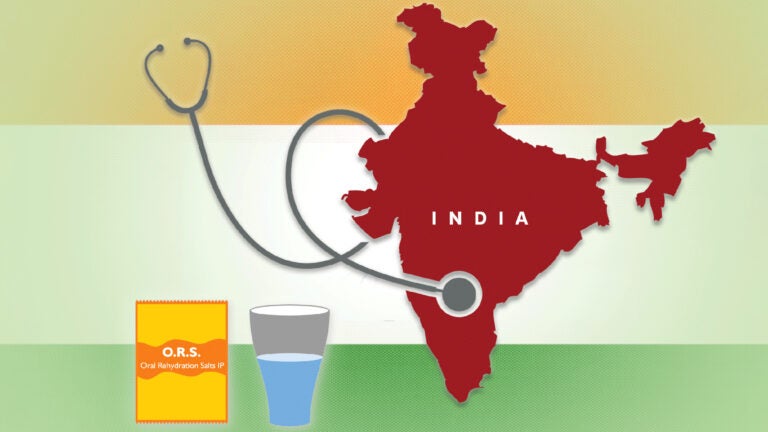
Health
A common medication could save half a million children each year. So why is it underprescribed?
A new study by USC researchers explains why kids aren’t getting a cheap, effective treatment for diarrhea.
Health care providers in developing countries know that oral rehydration salts (ORS) are a lifesaving and inexpensive treatment for diarrheal disease, a leading cause of death for children worldwide — yet few prescribe it.
A new study published in Science suggests that closing the knowledge gap between what treatments health care providers think patients want and what treatments patients really want could help save half a million lives a year and reduce unnecessary use of antibiotics.
“Even when children seek care from a health care provider for their diarrhea, as most do, they often do not receive ORS, which costs only a few cents and has been recommended by the World Health Organization for decades,” said Neeraj Sood, senior author of the study, senior fellow at the USC Schaeffer Center for Health Policy & Economics and a professor at the USC Price School of Public Policy.
“This issue has puzzled experts for decades, and we wanted to get to the bottom of it,” said Sood, who also holds joint appointments at the Keck School of Medicine of USC and the USC Marshall School of Business.
A closer look at childhood illness in India
There are several popular explanations for the underprescription of ORS in India, which accounts for the most cases of child diarrhea of any country in the world:
- Physicians assume their patients do not want oral rehydration salts, which come in a small packet and dissolve in water, because they taste bad or they aren’t “real” medicine like antibiotics.
- The salts are out of stock because they aren’t as profitable as other treatments.
- Physicians make more money prescribing antibiotics, even though they are ineffective against viral diarrhea.
To test these three hypotheses, Sood and his colleagues enrolled over 2,000 health care providers across 253 medium-size towns in the Indian states of Karnataka and Bihar. The researchers selected states with vastly different socioeconomic demographics and varied access to health care to ensure the results were representative of a broad population. Bihar is one of the poorest states in India with below-average ORS use, while Karnataka has above-average per capita income and above-average ORS use.
The researchers then hired staff who were trained to act as patients or caretakers. These “standardized patients” were given scripts to use in unannounced visits to doctors’ offices where they would present a case of viral diarrhea — for which antibiotics are not appropriate — in their 2-year-old child. (For ethical considerations, children did not attend these visits.) The standardized patients made approximately 2,000 visits in total.
Providers were randomly assigned to patient visits where patients expressed a preference for ORS, a preference for antibiotics or no treatment preference. During the visits, patients indicated their preference by showing the health care provider a photo of an ORS packet or antibiotics. The set of patients with no treatment preference simply asked the physician for a recommendation.
To control for profit-motivated prescribing, some of the standardized patients assigned as having no treatment preference informed the provider that they would purchase medicine elsewhere. Additionally, to estimate the effect of stockouts, the researchers randomly assigned all providers in half of the 253 towns to receive a six-week supply of ORS.
Provider misperceptions matter most when it comes to ORS underprescribing
Researchers found that provider perceptions of patient preferences are the biggest barrier to ORS prescribing — not because caretakers do not want ORS, but rather because providers assume most patients do not want the treatment. Health care providers’ perception that patients do not want ORS accounted for roughly 42% of underprescribing, while stockouts and financial incentives explained only 6% and 5%, respectively.
Patients expressing a preference for ORS increased prescribing of the treatment by 27 percentage points — a more effective intervention than eliminating stockouts (which increased ORS prescribing by 7 percentage points) or removing financial incentives (which only increased ORS prescribing at pharmacies).
“Despite decades of widespread knowledge that ORS is a lifesaving intervention that can save lives of children suffering from diarrhea, the rates of ORS use remain stubbornly low in many countries such as India,” said Manoj Mohanan, co-author of the study and professor of public policy, economics, and global health at the Sanford School of Public Policy at Duke University. “Changing provider behavior about ORS prescription remains a huge challenge.”
Study authors said these results can be used to design interventions that encourage patients and caretakers to express an ORS preference when seeking care, as well as efforts to raise awareness among providers about patients’ preferences.
“We need to find ways to change providers’ perceptions of patient preferences to increase ORS use and combat antibiotic resistance, which is a huge problem globally,” said Zachary Wagner, the study’s corresponding author, an economist at Rand Corp. and professor of policy analysis at Pardee Rand Graduate School. “How to reduce overprescribing of antibiotics and address antimicrobial resistance is a major global health question, and our study shows that changing provider perceptions of patient preferences is one way to work toward a solution.”
About the study: In addition to Sood, Wagner and Mohanan, co-authors of the study include Rushil Zutshi of Rand Corp. and Pardee Rand Graduate School and Arnab Mukherji of the Indian Institute of Management Bangalore.
This research was funded by the National Institute of Diabetes and Digestive and Kidney Diseases (Grant 5R01DK126049).
Did the ancient Greeks and Romans experience Alzheimer’s?
USC’s Caleb Finch found that ancient Greeks made few mentions of anything akin to mild cognitive impairment. (Photo/Panos Karapanagiotis, iStock)
Health
Did the ancient Greeks and Romans experience Alzheimer’s?
Medical texts from 2,500 years ago rarely mention severe memory loss, suggesting today’s widespread dementia stems from modern environments and lifestyles, a new USC analysis shows.
You might think age-related dementia has been with us all along, stretching back to the ancient world.
But a new analysis of classical Greek and Roman medical texts suggests that severe memory loss — occurring at epidemic levels today — was extremely rare 2,000 to 2,500 years ago, in the time of Aristotle, Galen and Pliny the Elder.
The USC-led research, published in the Journal of Alzheimer’s Disease, bolsters the idea that Alzheimer’s disease and related dementias are diseases of modern environments and lifestyles, with sedentary behavior and exposure to air pollution largely to blame.
“The ancient Greeks had very, very few — but we found them — mentions of something that would be like mild cognitive impairment,” said first author Caleb Finch, a University Professor at the USC Leonard Davis School of Gerontology. “When we got to the Romans, and we uncovered at least four statements that suggest rare cases of advanced dementia — we can’t tell if it’s Alzheimer’s. So, there was a progression going from the ancient Greeks to the Romans.”
Do we see Alzheimer’s in history?
Ancient Greeks recognized that aging commonly brought memory issues we would recognize as mild cognitive impairment, or MCI, but nothing approaching a major loss of memory, speech and reasoning as caused by Alzheimer’s and other types of dementia.
Finch and co-author Stanley Burstein, a historian at California State University, Los Angeles, pored over a major body of ancient medical writing by Hippocrates and his followers. The text catalogs ailments of the elderly such as deafness, dizziness and digestive disorders — but makes no mention of memory loss.
Centuries later in ancient Rome, a few mentions crop up. Galen remarks that at the age of 80, some elderly begin to have difficulty learning new things. Pliny the Elder notes that the senator and famous orator Valerius Messalla Corvinus forgot his own name. Cicero prudently observed that “elderly silliness … is characteristic of irresponsible old men, but not of all old men.”
Finch speculates that as Roman cities grew denser, pollution increased, driving up cases of cognitive decline. In addition, Roman aristocrats used lead cooking vessels, lead water pipes and even added lead acetate into their wine to sweeten it — unwittingly poisoning themselves with the powerful neurotoxin.
(A few ancient writers recognized the toxicity of lead-containing material, but little progress was made in dealing with the problem until well into the 20th century. Some scholars blame lead poisoning for the fall of the Roman Empire.)
For this paper, Finch did not just think about the Roman Empire or the Greeks. In the absence of demographic data for ancient Greece and Rome, Finch turned to a surprising model for ancient aging: today’s Tsimane Amerindians, an Indigenous people of the Bolivian Amazon.
Alzheimer’s in history: Look at the Tsimane
The Tsimane — like the ancient Greeks and Romans — have a preindustrial lifestyle that is very physically active, and they have extremely low rates of dementia. An international team of cognitive researchers led by Margaret Gatz, a professor of psychology, gerontology and preventive medicine at the USC Leonard Davis School, found among older Tsimane people, only about 1% suffer from dementia. In contrast, 11% of people aged 65 and older living in the United States have dementia, according to the Alzheimer’s Association.
“The Tsimane data, which is quite deep, is very valuable,” Finch said. “This is the best-documented large population of older people that have minimal dementia, all of which indicates that the environment is a huge determinant on dementia risk. They give us a template for asking these questions.”
The paper was supported by funds from the Cure Alzheimer’s Fund and the National Institutes of Health (P01 AG055367 and R01 AG05442).
Featured Experts
Caleb E. Finch
Expert in healthy aging, human longevity, biological causes of aging, Alzheimer’s disease, molecular neurogerontology and biology, neurobiology and neurochemistry and neuroendocrinology
Margaret Gatz
Expert in Risk factors for Alzheimer’s disease, study of twins to untangle the role of genes and environment, and ways that risk can be reduced, Maintaining mental health in older adulthoodrn* risk and protective factors for Alzheimer’s disease, Twin Studies, Mental health concerns in older adults, Genetic and environmental factors affecting risk of Alzheimer’s disease and Psychological perspectives on urban social issues