REDIRECT
The post Disadvantaged workers face more challenges in retirement, too appeared first on USC Today.
REDIRECT
The post Disadvantaged workers face more challenges in retirement, too appeared first on USC Today.
REDIRECT 7885
https://keck.usc.edu/some-forms-of-elder-abuse-worsened-during-the-covid-19-pandemic-study-finds/
Story Headline and Deck – USC News *
Some forms of elder abuse worsened during the COVID-19 pandemic, study finds
A study led by the Keck School of Medicine of USC — the first direct comparison of elder abuse data before and during the pandemic — found increased reports of physical and emotional abuse and co-occurring abuse.
Body Copy *
Throughout the COVID-19 pandemic, experts have raised the alarm about a heightened risk of elder abuse. Many older adults faced social isolation, experienced financial instability, or relied heavily on their caregivers–factors that have been linked to elder abuse in the past.
Despite the concern, data on the subject has been limited. Though some studies have compared reports of elder abuse before versus during the pandemic, they used data from two different sources, limiting researchers’ ability to draw conclusions.
“A lot of people have been asking how elder abuse might be changing during the pandemic, but there wasn’t objective data about those trends,” said Duke Han, PhD, director of neuropsychology in the Department of Family Medicine and a professor of family medicine, neurology, psychology and gerontology at the Keck School of Medicine of USC.
Han and his colleagues conducted the first study comparing elder abuse rates before and during the pandemic from a single data source, the National Center on Elder Abuse (NCEA). While they did not find a significant increase in overall reports of abuse, their findings do show cause for concern. Reports of physical and emotional abuse increased, as did reports of multiple abuses happening at the same time. The study was published in the journal BMC Geriatrics.
“Even though we didn’t see a statistical increase in reports of abuse, our data points to the idea that the abuse happening during the pandemic was more severe,” said Han, the study’s senior author.
Shifting patterns of abuse
The researchers analyzed calls, emails and social media messages to the NCEA resource line, which provides information and assistance related to elder abuse. They studied two separate one-year periods: before the pandemic (March 16, 2018 to March 15, 2019) and during its peak (March 16, 2020 to March 15, 2021).
First, contacts were separated into those that alleged abuse versus those that did not (for example, callers seeking general information about NCEA resources). About half of the contacts included allegations of abuse, but the percentage of contacts reporting abuse did not differ significantly between the two time periods.
Next, the researchers looked more closely at the type of abuse alleged, categorizing each report as financial, physical, sexual or emotional abuse, or neglect. Across both time periods, financial abuse–which can involve a family member or caretaker misusing an older person’s money or possessions–was most common. But during the pandemic, higher rates of emotional and physical abuse were reported. A higher percentage of contacts (27.1% during the pandemic versus 18.7% before) also reported more than one form of abuse happening at the same time.
The relationship between victims and alleged perpetrators was also studied, but researchers found no significant differences between the two time periods. Across the board, family members were the most common perpetrators.
While the study shows a shift in elder abuse patterns during the pandemic, it does not prove a causal link between the pandemic and the change in reports. The researchers also emphasize that NCEA’s resource line is not a crisis or reporting line for elder abuse, which may limit the types of calls it receives.
Reaching out to stop abuse
In general, understanding how patterns of elder abuse change during a pandemic can help improve future prevention and outreach efforts, said Gali H. Weissberger, PhD, a senior lecturer in the Interdisciplinary Department of Social Sciences at Bar-Ilan University in Israel and first author of the study. For example, increased outreach may be needed during a pandemic to ensure abuse is reported and resources are available to those who need them.
“Although the ratio of abuse to non-abuse calls didn’t differ between the two time periods, we did see a drop in total calls during the pandemic,” Weissberger said. “That might suggest that during COVID, people just reached out less.”
Through their collaboration with NCEA, the researchers are continuing to collect and categorize data from all calls and messages to the organization’s resource line. They plan to analyze that data for additional insights about elder abuse trends over time.
About this study
The study’s other authors are Aaron C. Lim, Laura Mosqueda and Annie L. Nguyen from the Department of Family Medicine, Keck School of Medicine of USC; Julie Schoen and Richard S. Esquivel from the National Center on Elder Abuse and the Department of Family Medicine, Keck School of Medicine of USC; Kathleen H. Wilber from the USC Leonard David School of Gerontology; and Jenna Axelrod from the NorthShore University HealthSystem.
This work was supported by the National Institute on Aging [RF1AG068166, R01AG060096, K01AG064986, T32 AG000037], the Administration for Community Living grant [90ABRC0001-02-00] and the Department of Family Medicine of the Keck School of Medicine of USC.
The post Some forms of elder abuse worsened during the COVID-19 pandemic appeared first on USC News.
REDIRECT
The post Some forms of elder abuse worsened during the COVID-19 pandemic appeared first on USC Today.
John Carpten remembers the moment he realized his purpose.
In 2010, he was on a call with a team of medical oncology experts, discussing the best course of treatment for a breast cancer patient using the complete genetic sequence taken from her tumor — the first case within a genomic study he led.
Now professor and founding chair of translational genomics at the Keck School of Medicine of USC and founding director of the USC Institute of Translational Genomics, Carpten remembers hanging up the phone and saying, “Now I know why I was born.” After more than two decades of working on human genetics and disease, his research was directly impacting health treatment.
Carpten, the holder of USC’s Royce and Mary Trotter Chair in Cancer Research and USC Norris Comprehensive Cancer Center’s associate director for basic research, says, “My entire career trajectory led to that one moment. It changed my outlook from having a job to serving a purpose.”
The word “purpose” pops up often when Carpten talks about his work. It’s his mission to untangle the role of biology in cancer to improve treatment — particularly to help close the gaps where Black people and other understudied, underserved populations face a greater burden of disease and worse outcomes from cancer than whites.
Working at the forefront of his field has put him in the position to help set the course for national efforts against cancer.
“This opportunity to advance the understanding, in a way that’s really representative, and then bringing that information to bear in a way that allows everyone to get access to health care innovations — that’s what I fight for,” Carpten says.
As a child in the Mississippi Delta of the 1970s and ’80s, Carpten earned top grades, stood out on the football field and excelled as a musician into his undergraduate years.
I look at biology as something that’s always changing. The moment you think you have the answers, something changes. I like the continual chase of the answer.
John Carpten
He can’t remember when he fell in love with science, but his family cultivated his passion with encouragement and high expectations. “I look at biology as something that’s always changing,” Carpten says. “The moment you think you have the answers, something changes. I like the continual chase of the answer.”
As a junior biology major at Lane College, a historically Black college in Tennessee, he encountered a magazine that captured his attention, extolling the virtues of genetic engineering.
A college visit to Ohio State University further deepened his interest in molecular biology. “I was fully aware this was an opportunity that not very many young African American men were going to have in 1988,” he says.
Carpten joined Ohio State as part of a new PhD program in molecular genetics and molecular, cellular and developmental biology, pursuing research into the genes behind muscular dystrophy and spinal muscular atrophy.
“We were just jumping into this genetic revolution, where the genome was going to help us understand more about human diseases, what causes them, how to diagnose them, and how to treat them,” he says.
Then came a postdoctoral position at the National Human Genome Research Institute (NHGRI), which was led by Francis Collins. Collins would eventually lead the Human Genome Project — the international research effort to determine the DNA sequence of the entire human genome. Collins and the institute’s scientific director, Jeff Trent, would eventually become Carpten’s frequent research collaborators.
In 2000, Carpten earned a tenure-track academic appointment at the NHGRI, undertaking studies into cancer cells’ genes and producing important research on precision oncology.
Applying genomics research such as Carpten’s in the clinic is changing how cancer is treated. Physicians have moved from viewing cancers mainly by their location in the body to approaching them based on their unique molecular makeup. They are also discovering ways to recruit a patient’s own immune system to fight cancers. Narrowly targeted treatments and immunotherapy, which can be more effective with fewer side effects, are increasingly reinforcing — and sometimes replacing — the traditional arsenal of surgery, chemotherapy and radiation.
Carpten’s other budding interest circa 2000 was research meant to quantify — and eventually, reverse — how cancer hits harder in Black people and other people of color. At the time, considerations of diversity, equity and inclusion among study participants weren’t on most medical researchers’ radars. The issue resolved to crystal clarity for Carpten when he found out that only two of the 100 families in a hereditary prostate cancer study were Black — and he knew that prostate cancer disproportionately affects Black men.
It became a call to action. Carpten would help create the African American Hereditary Prostate Cancer (AAHPC) Study Network, a collaboration of predominantly Black researchers and medical doctors working on planning and implementing a national study.
“That was my first foray into cancer health disparities,” he says. “It was the beginning of my understanding that my gifts were meant to serve a purpose. I could help my community.”
Carpten’s concentration on health disparities shapes the diseases he studies, which all disproportionately affect Black people.
Work with the AAHPC Study Network would yield the first genomewide scan for prostate cancer susceptibility genes in African Americans. Later, Carpten conducted the first study to comprehensively compare molecular alterations in tumors between Black and white multiple myeloma patients.
In 2003, Carpten joined the Translational Genomics Research Institute in Arizona. There, he fully recognized the impact his work could have on patients’ lives. His team’s groundbreaking discoveries on genetic mutations enabled researchers to connect study participants with particular mutations to clinical trials of new targeted therapies. Carpten and his colleagues made further strides in precision oncology by finding new molecular targets for potential drugs to treat cholangiocarcinoma, an aggressive cancer of the liver bile ducts.
“Precision oncology studies are particularly impactful,” he says. “They directly affect people’s lives.”
Several factors persuaded Carpten to bring his lab to USC in 2016 — and start a new academic department and research institute in the process. He had an existing precision oncology collaboration benefiting patients at the USC Norris Comprehensive Cancer Center. And he was attracted by the Keck School of Medicine of USC as an environment that encourages work to address health disparities.
But the biggest draw was USC’s unique setting and connection with its community.
The number-one reason was the diversity in California and Los Angeles. I couldn’t pass up the opportunity to apply these medical innovations in a way that patients from all walks of life could access.
John Carpten
“The number-one reason was the diversity in California and Los Angeles,” Carpten says. “I couldn’t pass up the opportunity to apply these medical innovations in a way that patients from all walks of life could access.”
After five-plus years at USC, Carpten continues to drive his mission forward. He leads a cancer disparity research project in collaboration with the University of Florida and Florida A&M University that is backed by a major National Cancer Institute grant. In 2020, he published a paper unveiling a new technique for sequencing the DNA of individual cancer cells within a tumor. And a recently launched effort combining the engagement of Hispanic patients with genomic research in oncology earned a 2021 Cancer Moonshot grant from the NCI.
Carpten attributes much of his success — in his work on health disparities and research contributions — to mentors, collaborators and trainees. In 2021, the American Association for Cancer Research named him a fellow of its AACR Academy. And President Joe Biden appointed him to chair the National Cancer Advisory Board, a development that prompts two words from Carpten: “Responsibility and service.”
“It’s not about me,” he says. “It’s about a national agenda for cancer research and care, the whole continuum. For me, that agenda is reducing the overall mortality rates, and at the same time closing the gaps where there are differences.”
On the biggest of stages, John Carpten remains on mission.
The post Decoding the “C” Word appeared first on USC News.
Health
USC researcher John Carpten strives to decode how genes influence cancer — especially for groups hit hardest by the disease
John Carpten remembers the moment he realized his purpose.
In 2010, he was on a call with a team of medical oncology experts, discussing the best course of treatment for a breast cancer patient using the complete genetic sequence taken from her tumor — the first case within a genomic study he led.
Now professor and founding chair of translational genomics at the Keck School of Medicine of USC and founding director of the USC Institute of Translational Genomics, Carpten remembers hanging up the phone and saying, “Now I know why I was born.” After more than two decades of working on human genetics and disease, his research was directly impacting health treatment.
Carpten, the holder of USC’s Royce and Mary Trotter Chair in Cancer Research and USC Norris Comprehensive Cancer Center’s associate director for basic research, says, “My entire career trajectory led to that one moment. It changed my outlook from having a job to serving a purpose.”
The word “purpose” pops up often when Carpten talks about his work. It’s his mission to untangle the role of biology in cancer to improve treatment — particularly to help close the gaps where Black people and other understudied, underserved populations face a greater burden of disease and worse outcomes from cancer than whites.
Working at the forefront of his field has put him in the position to help set the course for national efforts against cancer.
“This opportunity to advance the understanding, in a way that’s really representative, and then bringing that information to bear in a way that allows everyone to get access to health care innovations — that’s what I fight for,” Carpten says.
As a child in the Mississippi Delta of the 1970s and ’80s, Carpten earned top grades, stood out on the football field and excelled as a musician into his undergraduate years.
I look at biology as something that’s always changing. The moment you think you have the answers, something changes. I like the continual chase of the answer.
John Carpten
He can’t remember when he fell in love with science, but his family cultivated his passion with encouragement and high expectations. “I look at biology as something that’s always changing,” Carpten says. “The moment you think you have the answers, something changes. I like the continual chase of the answer.”
As a junior biology major at Lane College, a historically Black college in Tennessee, he encountered a magazine that captured his attention, extolling the virtues of genetic engineering.
A college visit to Ohio State University further deepened his interest in molecular biology. “I was fully aware this was an opportunity that not very many young African American men were going to have in 1988,” he says.
Carpten joined Ohio State as part of a new PhD program in molecular genetics and molecular, cellular and developmental biology, pursuing research into the genes behind muscular dystrophy and spinal muscular atrophy.
“We were just jumping into this genetic revolution, where the genome was going to help us understand more about human diseases, what causes them, how to diagnose them, and how to treat them,” he says.
Then came a postdoctoral position at the National Human Genome Research Institute (NHGRI), which was led by Francis Collins. Collins would eventually lead the Human Genome Project — the international research effort to determine the DNA sequence of the entire human genome. Collins and the institute’s scientific director, Jeff Trent, would eventually become Carpten’s frequent research collaborators.
In 2000, Carpten earned a tenure-track academic appointment at the NHGRI, undertaking studies into cancer cells’ genes and producing important research on precision oncology.
Applying genomics research such as Carpten’s in the clinic is changing how cancer is treated. Physicians have moved from viewing cancers mainly by their location in the body to approaching them based on their unique molecular makeup. They are also discovering ways to recruit a patient’s own immune system to fight cancers. Narrowly targeted treatments and immunotherapy, which can be more effective with fewer side effects, are increasingly reinforcing — and sometimes replacing — the traditional arsenal of surgery, chemotherapy and radiation.
Carpten’s other budding interest circa 2000 was research meant to quantify — and eventually, reverse — how cancer hits harder in Black people and other people of color. At the time, considerations of diversity, equity and inclusion among study participants weren’t on most medical researchers’ radars. The issue resolved to crystal clarity for Carpten when he found out that only two of the 100 families in a hereditary prostate cancer study were Black — and he knew that prostate cancer disproportionately affects Black men.
It became a call to action. Carpten would help create the African American Hereditary Prostate Cancer (AAHPC) Study Network, a collaboration of predominantly Black researchers and medical doctors working on planning and implementing a national study.
“That was my first foray into cancer health disparities,” he says. “It was the beginning of my understanding that my gifts were meant to serve a purpose. I could help my community.”
Carpten’s concentration on health disparities shapes the diseases he studies, which all disproportionately affect Black people.
Work with the AAHPC Study Network would yield the first genomewide scan for prostate cancer susceptibility genes in African Americans. Later, Carpten conducted the first study to comprehensively compare molecular alterations in tumors between Black and white multiple myeloma patients.
In 2003, Carpten joined the Translational Genomics Research Institute in Arizona. There, he fully recognized the impact his work could have on patients’ lives. His team’s groundbreaking discoveries on genetic mutations enabled researchers to connect study participants with particular mutations to clinical trials of new targeted therapies. Carpten and his colleagues made further strides in precision oncology by finding new molecular targets for potential drugs to treat cholangiocarcinoma, an aggressive cancer of the liver bile ducts.
“Precision oncology studies are particularly impactful,” he says. “They directly affect people’s lives.”
Several factors persuaded Carpten to bring his lab to USC in 2016 — and start a new academic department and research institute in the process. He had an existing precision oncology collaboration benefiting patients at the USC Norris Comprehensive Cancer Center. And he was attracted by the Keck School of Medicine of USC as an environment that encourages work to address health disparities.
But the biggest draw was USC’s unique setting and connection with its community.
The number-one reason was the diversity in California and Los Angeles. I couldn’t pass up the opportunity to apply these medical innovations in a way that patients from all walks of life could access.
John Carpten
“The number-one reason was the diversity in California and Los Angeles,” Carpten says. “I couldn’t pass up the opportunity to apply these medical innovations in a way that patients from all walks of life could access.”
After five-plus years at USC, Carpten continues to drive his mission forward. He leads a cancer disparity research project in collaboration with the University of Florida and Florida A&M University that is backed by a major National Cancer Institute grant. In 2020, he published a paper unveiling a new technique for sequencing the DNA of individual cancer cells within a tumor. And a recently launched effort combining the engagement of Hispanic patients with genomic research in oncology earned a 2021 Cancer Moonshot grant from the NCI.
Carpten attributes much of his success — in his work on health disparities and research contributions — to mentors, collaborators and trainees. In 2021, the American Association for Cancer Research named him a fellow of its AACR Academy. And President Joe Biden appointed him to chair the National Cancer Advisory Board, a development that prompts two words from Carpten: “Responsibility and service.”
“It’s not about me,” he says. “It’s about a national agenda for cancer research and care, the whole continuum. For me, that agenda is reducing the overall mortality rates, and at the same time closing the gaps where there are differences.”
On the biggest of stages, John Carpten remains on mission.
The post Decoding the “C” Word appeared first on USC Today.
Victor Perez didn’t think much about his weight loss. He had noticed some other changes, too. In the interest of being proactive, Perez, 38, of Long Beach, went to his primary care doctor.
His physician recommended a colonoscopy. “To be safe,” he told Perez.
On November 15, 2021, the day before his daughter’s sixth birthday, Perez learned he had colon cancer. A subsequent CT scan showed the cancer had spread to his liver. Stage 4.
“It felt like a death sentence,” says Perez’s wife, Joanne, who survived her own battle with Hodgkin lymphoma as a teen.
Perez enrolled in a clinical trial with a novel drug combination at USC Norris Comprehensive Cancer Center and began experimental chemotherapy treatments under the care of Heinz-Josef Lenz, J. Terrence Lanni Chair in Gastrointestinal Cancer Research and professor of medicine and preventive medicine. His first visit lasted 14 hours, taxing his body and his soul.
But, Perez says, “I knew it was giving me a chance to live.”
Every other week since, Perez has endured two consecutive days of chemo. He sees others: young and old, men and women, cutting across ethnic and socioeconomic lines, in worse shape than he is, clinging to life — and hope. Each trip awakens his humanity and intensifies his prayers for remedies.
I don’t want to see people suffering. I want there to be treatments that help people live.
Victor Perez
“I don’t want to see people suffering,” Perez says. “I want there to be treatments that help people live.”
It is a hope that millions of cancer patients around the globe share. It’s also a hope that USC is well-positioned to fulfill as a research institution and health care provider.
Earlier this year, two leading cancer researchers from the Keck School of Medicine of USC stood by President Joe Biden as he announced an ambitious national effort to slice the cancer death rate in half within 25 years. USC’s connection to what the White House has called the Cancer Moonshot is just one of the ways the university and the Keck School of Medicine are leading the charge to improve cancer treatment by addressing medical inequities in research; developing new approaches for deadly and rare cancers; supporting patients, survivors and caregivers; and learning more from people living with cancer.
Cancer has long been a target of some of the world’s sharpest scientific minds, including researchers at USC, as well as health care organizations, nonprofit entities and public agencies such as the National Institutes of Health, the Centers for Disease Control and Prevention and the National Cancer Institute.
At his final State of the Union address in January 2016, then-U.S. President Barack Obama unveiled a Cancer Moonshot program explicitly crafted to accelerate the rate of progress against cancer — a decade of progress in five years, the president beamed. To lead the ambitious program, Obama turned to Vice President Joe Biden, who had recently lost his 46-year-old son, Beau, to brain cancer.
Later that year, Congress overcame its partisan divide and passed the 21st Century Cures Act. The legislation devoted $1.8 billion to provide seven years of new funding for cancer research. It also created the Oncology Center of Excellence at the U.S. Food and Drug Administration to streamline the review of promising treatments.
The earliest years of the Cancer Moonshot initiative marshaled the vast resources of the federal government, a critical component in such an immense scientific battle, and delivered enticing progress. There were important developments in treatments and diagnosis, including encouraging clinical trials and successful public health education campaigns that propelled screenings and early detection. There were also heightened efforts to reduce cancer disparities and critical advancements in sharing data, such as the Cancer Research Data Commons.
Meanwhile, new researchers poured into the field, driving breakthroughs in genomics, genome editing and diagnostics.
Cancer, one of humanity’s foremost universal enemies, was under siege in new and profound ways.
The COVID-19 pandemic, however, thwarted the momentum, interrupting cancer research and patient care for two years. Many patients skipped routine cancer screenings such as colonoscopies and mammograms. Research programs slowed amid mandated shutdowns. Outreach efforts such as health fairs, workshops and recruitment for clinical trials languished.
On Feb. 2, 2022, now-President Biden stood in the White House and announced a reignited commitment to the Cancer Moonshot, and he did so with a new, ambitious goal: to reduce the death rate from cancer by at least 50% in the next 25 years.
With a “fierce sense of urgency,” Biden pledged a vigorous fight against cancer and better support for cancer patients and their families.
“We can do this. For all those we lost, for all those we miss. We can end cancer as we know it,” he said.
The American Cancer Society reports that about 1.9 million Americans receive a cancer diagnosis annually, and about 600,000 die of the disease each year.
The American Cancer Society reports that about 1.9 million Americans receive a cancer diagnosis annually, and about 600,000 die of the disease each year. Biden’s headline-grabbing announcement — a monumental, galvanizing gesture from the White House — restored a national bull’s-eye on cancer.
Capitalizing on progress in research and patient-driven care as well as the scientific advances and public health lessons of the COVID-19 pandemic, the White House stressed a renewed, reinvigorated focus on cancer prevention, detection, diagnosis and treatment for all U.S. residents.
It was a call to arms transcending politics and an invitation to a daring scientific crusade.
In the White House that day, alongside cancer patients and government leaders, scientific disruptors and health care industry representatives, USC cancer researchers John Carpten and Peter Kuhn listened to Biden’s every word, inspired and hopeful that the president’s message would rally the nation in a way the space race had six decades ago.
“This is a conversation that touches everyone,” says Kuhn, the Dean’s Professor of Biological Sciences at the USC Dornsife College of Letters, Arts and Sciences. “It sets a mission for the nation and identifies cancer as something we need to do something about.”
Carpten and Kuhn’s presence at Cancer Moonshot’s White House relaunch was a testament to their track records as combatants against cancer.
Carpten, who is the chair of the Biden administration’s National Cancer Advisory Board, directs the Institute of Translational Genomics at the Keck School of Medicine and is also the associate director of basic science for the USC Norris Comprehensive Cancer Center, one of the nation’s most innovative forces in cancer treatment, research, prevention and education.
An internationally recognized leader in cancer genomics, precision oncology and cancer disparities, Carpten studies DNA and RNA sequences of tumors using next-generation instrumentation. A prolific researcher, he has been the principal investigator or project lead on nearly two dozen National Cancer Institute grants over the last 15 years.
Carpten, Lenz, and Mariana Stern, the Ira Goodman Chair in Cancer Research and associate director for population sciences at USC Norris, oversee the ambitious project along with David Craig, professor and vice chair of the Department of Translational Genomics within the Keck School of Medicine. Together with other USC scientists and patient participants, they will be studying colorectal cancer in Hispanic patients such as Victor Perez. The study is supported by a five-year, $18.5 million grant from the National Cancer Institute, part of the Cancer Moonshot initiative.
Understanding how certain diseases and treatments affect underrepresented racial and ethnic groups is crucial to saving lives, Carpten says. “We have not done enough to understand how to engage with patients and communities to reveal the barriers and concerns and to create approaches that are sensitive and culturally appropriate.”
With about 500 Hispanic males, among the largest-ever cohorts of Hispanics in a clinical trial, Lenz — who leads the study — says they are addressing the knowledge gap on the molecular composition of colon cancer in Hispanics, who have the highest increase in early-onset colon cancer. Conducted with scientists from various disciplines at the center, researchers hope to drive a more comprehensive characterization of colon cancer in this population and spur improved diagnostic methods and therapeutic options.
“We’re taking advantage of our county’s patient population and learning from them,” Lenz adds. “It’s showing how cancer research isn’t done in an ivory tower at Norris, but we can learn from our patients.”
Meanwhile, Kuhn, a cancer physicist who runs the Convergent Science Institute in Cancer at the USC Michelson Center for Convergent Bioscience, has directed cancer-battling research programs marrying physics and mathematics. With a particular focus on improving cancer diagnostics, treatments and access, the programs include spearheading the creation of the world’s first liquid biopsy database on cancer. Liquid biopsies represent a noninvasive way to help predict how a cancer will behave in the body, enabling doctors to spot cancers earlier and better determine treatment options. The liquid biopsies also promote increased access to care because it’s easier for most American residents to get blood drawn.
We need a tool to support decision making and that isn’t necessarily cutting someone open and looking for it. With these liquid biopsies, we’re finding and characterizing cancer with a blood draw.
Peter Kuhn
“We need a tool to support decision making and that isn’t necessarily cutting someone open and looking for it,” Kuhn says. “With these liquid biopsies, we’re finding and characterizing cancer with a blood draw.”
Kuhn’s ATOM-HP project, developed in collaboration with Jorge Nieva, associate professor of clinical medicine at the Keck School of Medicine, is providing doctors with real-time patient data from wearable technologies. Even if the patient is remote, physicians can access a comprehensive, data-driven and timely view of the individual’s health to inform treatment plans.
USC’s fight against cancer extends far beyond Carpten and Kuhn, involving researchers across the university leveraging community partnerships, institutional infrastructure and USC’s built-in equity with patients. Investigators are pursuing bold, innovative work, analyzing novel ideas and developing auspicious strategies for diagnosis and treatment.
Bodour Salhia, associate professor for translational genomics at the Keck School of Medicine and co-leader of the cancer center’s Genomic and Epigenomic Regulation Program, is spearheading projects on liquid biopsies for breast and colon cancer and plays a critical role in the Moonshot grant.
Alan Wayne, associate director for pediatric oncology at the USC Norris cancer center and professor of pediatrics at the medical school, is working on next-generation immunotherapies to treat pediatric blood cancers while also exploring treatments that help the body’s own immune system fight the cancer attacking it.
Lenz and Steve Kay, University and Provost Professor of Neurology, Biomedical Engineering and Biological Sciences at the medical school, are leading a drug development project targeting molecules in circadian pathways that regulate humans’ sleep-wake cycles, an inventive approach that turns the body’s circadian rhythm against cancer.
And in May, Preet Chaudhary, Bloom Family Chair in Lymphoma Research, professor of medicine and director of the Blood and Marrow Transplant and Cell Therapy program at USC Norris, received a $5.8 million grant from the California Institute for Regenerative Medicine to develop next-generation cell therapy for prostate cancer.
“We need continuous scientific inquiry and continuous scientific breakthroughs. That’s what will lead the way,” Kuhn says.
Among the nation’s major research universities, USC is particularly well-situated to lead the battle against cancer.
The university hosts active and energized research programs driven by inquiry, rooted in purpose and fostering accessibility and equity. There are, for instance, research efforts studying prostate cancer in African Americans and breast cancer in Hispanics.
Many research projects, meanwhile, crisscross schools and colleges in the USC ecosystem and feature basic scientists working alongside clinical scientists. At the USC Michelson Center, researchers from biology, medicine, engineering, computer science, chemistry and even the humanities collaborate on projects devoted to improving the lives of those who have cancer.
Our secret power at USC is that we function as a community.
Peter Kuhn
“Our secret power at USC is that we function as a community,” says Kuhn, adding that USC researchers are not only receptive to interdisciplinary work but intentionally prioritize such collaboration. “The Trojan family concept gives us agility, and our work is universally aligned to improving patient outcomes.”
Additionally, USC’s robust infrastructure provides researchers critical access to cutting-edge resources that empower them to probe intriguing questions and generate new knowledge. The USC Norris cancer center, for instance, is a global leader in molecular characterization and is well-known for personalized clinical trials.
“The Norris cancer center has significant strength dealing with diverse patient populations, and this gives us incredible insights into treatments, outcomes, efficacy and interventions,” Lenz says.
Finally, USC boasts one of the most diverse patient populations in the United States and, even more, thoughtfully designed outreach programs to broaden patient representation.
“USC Norris cancer center is a national leader in research to reduce cancer disparities,” says Caryn Lerman, USC Norris Comprehensive Cancer Center director and the H. Leslie and Elaine S. Hoffman Chair in Cancer Research. “Our innovative community outreach and engagement programs will benefit greatly from the discoveries emerging from USC’s Cancer Moonshot program.”
Partnerships with industry, pharma, health care companies and L.A.’s swelling biotech scene further strengthen USC’s ability to fuel productive cancer research. USC and Cedars-Sinai Medical Center received the U.S. Department of Defense’s first Virtual Cancer Center Director Award in 2021 to launch the Convergent Science Virtual Cancer Center. Experts at the center will advise emerging scholars from diverse research backgrounds and institutions in pursuing scientific advancements in cancer.
“We are well-positioned to be collaborators of the highest level and are aligned to have impact,” says Keck School of Medicine Dean Carolyn Meltzer.
In fact, Meltzer promises more ambitious research, more interdisciplinary collaboration within USC and with external partners, more diversity in trials and genetic testing, deeper community engagement to enroll more patients in clinical and translational research and continued investments in infrastructure to propel the University’s ambitious efforts.
To Meltzer’s point, the Keck School of Medicine and the USC Norris Comprehensive Cancer Center recently teamed with Children’s Hospital Los Angeles to open a Current Good Manufacturing Practice (cGMP) facility at the cancer center. The new facility will enable scientists from various disciplines to collaborate on the study, development, manufacturing and testing of cell-based treatments for a range of diseases and disorders.
“We want to grow a critical mass of cancer researchers and really challenge ourselves because if we don’t challenge ourselves, we won’t succeed,” Meltzer says. “We’re prepared to think bigger and bolder because we know that’s what beating cancer demands.”
And it is what patients like Victor Perez need.
The post USC, Cancer and One Daring Mission appeared first on USC News.

Health
Powered by an energized cancer-fighting ecosystem at USC, Trojan researchers aim to help the nation achieve its Cancer Moonshot
Victor Perez didn’t think much about his weight loss. He had noticed some other changes, too. In the interest of being proactive, Perez, 38, of Long Beach, went to his primary care doctor.
His physician recommended a colonoscopy. “To be safe,” he told Perez.
On November 15, 2021, the day before his daughter’s sixth birthday, Perez learned he had colon cancer. A subsequent CT scan showed the cancer had spread to his liver. Stage 4.
“It felt like a death sentence,” says Perez’s wife, Joanne, who survived her own battle with Hodgkin lymphoma as a teen.
Perez enrolled in a clinical trial with a novel drug combination at USC Norris Comprehensive Cancer Center and began experimental chemotherapy treatments under the care of Heinz-Josef Lenz, J. Terrence Lanni Chair in Gastrointestinal Cancer Research and professor of medicine and preventive medicine. His first visit lasted 14 hours, taxing his body and his soul.
But, Perez says, “I knew it was giving me a chance to live.”
Every other week since, Perez has endured two consecutive days of chemo. He sees others: young and old, men and women, cutting across ethnic and socioeconomic lines, in worse shape than he is, clinging to life — and hope. Each trip awakens his humanity and intensifies his prayers for remedies.
I don’t want to see people suffering. I want there to be treatments that help people live.
Victor Perez
“I don’t want to see people suffering,” Perez says. “I want there to be treatments that help people live.”
It is a hope that millions of cancer patients around the globe share. It’s also a hope that USC is well-positioned to fulfill as a research institution and health care provider.
Earlier this year, two leading cancer researchers from the Keck School of Medicine of USC stood by President Joe Biden as he announced an ambitious national effort to slice the cancer death rate in half within 25 years. USC’s connection to what the White House has called the Cancer Moonshot is just one of the ways the university and the Keck School of Medicine are leading the charge to improve cancer treatment by addressing medical inequities in research; developing new approaches for deadly and rare cancers; supporting patients, survivors and caregivers; and learning more from people living with cancer.
Cancer has long been a target of some of the world’s sharpest scientific minds, including researchers at USC, as well as health care organizations, nonprofit entities and public agencies such as the National Institutes of Health, the Centers for Disease Control and Prevention and the National Cancer Institute.
At his final State of the Union address in January 2016, then-U.S. President Barack Obama unveiled a Cancer Moonshot program explicitly crafted to accelerate the rate of progress against cancer — a decade of progress in five years, the president beamed. To lead the ambitious program, Obama turned to Vice President Joe Biden, who had recently lost his 46-year-old son, Beau, to brain cancer.
Later that year, Congress overcame its partisan divide and passed the 21st Century Cures Act. The legislation devoted $1.8 billion to provide seven years of new funding for cancer research. It also created the Oncology Center of Excellence at the U.S. Food and Drug Administration to streamline the review of promising treatments.
The earliest years of the Cancer Moonshot initiative marshaled the vast resources of the federal government, a critical component in such an immense scientific battle, and delivered enticing progress. There were important developments in treatments and diagnosis, including encouraging clinical trials and successful public health education campaigns that propelled screenings and early detection. There were also heightened efforts to reduce cancer disparities and critical advancements in sharing data, such as the Cancer Research Data Commons.
Meanwhile, new researchers poured into the field, driving breakthroughs in genomics, genome editing and diagnostics.
Cancer, one of humanity’s foremost universal enemies, was under siege in new and profound ways.
The COVID-19 pandemic, however, thwarted the momentum, interrupting cancer research and patient care for two years. Many patients skipped routine cancer screenings such as colonoscopies and mammograms. Research programs slowed amid mandated shutdowns. Outreach efforts such as health fairs, workshops and recruitment for clinical trials languished.
On Feb. 2, 2022, now-President Biden stood in the White House and announced a reignited commitment to the Cancer Moonshot, and he did so with a new, ambitious goal: to reduce the death rate from cancer by at least 50% in the next 25 years.
With a “fierce sense of urgency,” Biden pledged a vigorous fight against cancer and better support for cancer patients and their families.
“We can do this. For all those we lost, for all those we miss. We can end cancer as we know it,” he said.
The American Cancer Society reports that about 1.9 million Americans receive a cancer diagnosis annually, and about 600,000 die of the disease each year.
The American Cancer Society reports that about 1.9 million Americans receive a cancer diagnosis annually, and about 600,000 die of the disease each year. Biden’s headline-grabbing announcement — a monumental, galvanizing gesture from the White House — restored a national bull’s-eye on cancer.
Capitalizing on progress in research and patient-driven care as well as the scientific advances and public health lessons of the COVID-19 pandemic, the White House stressed a renewed, reinvigorated focus on cancer prevention, detection, diagnosis and treatment for all U.S. residents.
It was a call to arms transcending politics and an invitation to a daring scientific crusade.
In the White House that day, alongside cancer patients and government leaders, scientific disruptors and health care industry representatives, USC cancer researchers John Carpten and Peter Kuhn listened to Biden’s every word, inspired and hopeful that the president’s message would rally the nation in a way the space race had six decades ago.
“This is a conversation that touches everyone,” says Kuhn, the Dean’s Professor of Biological Sciences at the USC Dornsife College of Letters, Arts and Sciences. “It sets a mission for the nation and identifies cancer as something we need to do something about.”

Carpten and Kuhn’s presence at Cancer Moonshot’s White House relaunch was a testament to their track records as combatants against cancer.
Carpten, who is the chair of the Biden administration’s National Cancer Advisory Board, directs the Institute of Translational Genomics at the Keck School of Medicine and is also the associate director of basic science for the USC Norris Comprehensive Cancer Center, one of the nation’s most innovative forces in cancer treatment, research, prevention and education.
An internationally recognized leader in cancer genomics, precision oncology and cancer disparities, Carpten studies DNA and RNA sequences of tumors using next-generation instrumentation. A prolific researcher, he has been the principal investigator or project lead on nearly two dozen National Cancer Institute grants over the last 15 years.
Carpten, Lenz, and Mariana Stern, the Ira Goodman Chair in Cancer Research and associate director for population sciences at USC Norris, oversee the ambitious project along with David Craig, professor and vice chair of the Department of Translational Genomics within the Keck School of Medicine. Together with other USC scientists and patient participants, they will be studying colorectal cancer in Hispanic patients such as Victor Perez. The study is supported by a five-year, $18.5 million grant from the National Cancer Institute, part of the Cancer Moonshot initiative.
Understanding how certain diseases and treatments affect underrepresented racial and ethnic groups is crucial to saving lives, Carpten says. “We have not done enough to understand how to engage with patients and communities to reveal the barriers and concerns and to create approaches that are sensitive and culturally appropriate.”
With about 500 Hispanic males, among the largest-ever cohorts of Hispanics in a clinical trial, Lenz — who leads the study — says they are addressing the knowledge gap on the molecular composition of colon cancer in Hispanics, who have the highest increase in early-onset colon cancer. Conducted with scientists from various disciplines at the center, researchers hope to drive a more comprehensive characterization of colon cancer in this population and spur improved diagnostic methods and therapeutic options.
“We’re taking advantage of our county’s patient population and learning from them,” Lenz adds. “It’s showing how cancer research isn’t done in an ivory tower at Norris, but we can learn from our patients.”
Meanwhile, Kuhn, a cancer physicist who runs the Convergent Science Institute in Cancer at the USC Michelson Center for Convergent Bioscience, has directed cancer-battling research programs marrying physics and mathematics. With a particular focus on improving cancer diagnostics, treatments and access, the programs include spearheading the creation of the world’s first liquid biopsy database on cancer. Liquid biopsies represent a noninvasive way to help predict how a cancer will behave in the body, enabling doctors to spot cancers earlier and better determine treatment options. The liquid biopsies also promote increased access to care because it’s easier for most American residents to get blood drawn.
We need a tool to support decision making and that isn’t necessarily cutting someone open and looking for it. With these liquid biopsies, we’re finding and characterizing cancer with a blood draw.
Peter Kuhn
“We need a tool to support decision making and that isn’t necessarily cutting someone open and looking for it,” Kuhn says. “With these liquid biopsies, we’re finding and characterizing cancer with a blood draw.”
Kuhn’s ATOM-HP project, developed in collaboration with Jorge Nieva, associate professor of clinical medicine at the Keck School of Medicine, is providing doctors with real-time patient data from wearable technologies. Even if the patient is remote, physicians can access a comprehensive, data-driven and timely view of the individual’s health to inform treatment plans.

USC’s fight against cancer extends far beyond Carpten and Kuhn, involving researchers across the university leveraging community partnerships, institutional infrastructure and USC’s built-in equity with patients. Investigators are pursuing bold, innovative work, analyzing novel ideas and developing auspicious strategies for diagnosis and treatment.
Bodour Salhia, associate professor for translational genomics at the Keck School of Medicine and co-leader of the cancer center’s Genomic and Epigenomic Regulation Program, is spearheading projects on liquid biopsies for breast and colon cancer and plays a critical role in the Moonshot grant.
Alan Wayne, associate director for pediatric oncology at the USC Norris cancer center and professor of pediatrics at the medical school, is working on next-generation immunotherapies to treat pediatric blood cancers while also exploring treatments that help the body’s own immune system fight the cancer attacking it.
Lenz and Steve Kay, University and Provost Professor of Neurology, Biomedical Engineering and Biological Sciences at the medical school, are leading a drug development project targeting molecules in circadian pathways that regulate humans’ sleep-wake cycles, an inventive approach that turns the body’s circadian rhythm against cancer.
And in May, Preet Chaudhary, Bloom Family Chair in Lymphoma Research, professor of medicine and director of the Blood and Marrow Transplant and Cell Therapy program at USC Norris, received a $5.8 million grant from the California Institute for Regenerative Medicine to develop next-generation cell therapy for prostate cancer.
“We need continuous scientific inquiry and continuous scientific breakthroughs. That’s what will lead the way,” Kuhn says.
Among the nation’s major research universities, USC is particularly well-situated to lead the battle against cancer.
The university hosts active and energized research programs driven by inquiry, rooted in purpose and fostering accessibility and equity. There are, for instance, research efforts studying prostate cancer in African Americans and breast cancer in Hispanics.
Many research projects, meanwhile, crisscross schools and colleges in the USC ecosystem and feature basic scientists working alongside clinical scientists. At the USC Michelson Center, researchers from biology, medicine, engineering, computer science, chemistry and even the humanities collaborate on projects devoted to improving the lives of those who have cancer.
Our secret power at USC is that we function as a community.
Peter Kuhn
“Our secret power at USC is that we function as a community,” says Kuhn, adding that USC researchers are not only receptive to interdisciplinary work but intentionally prioritize such collaboration. “The Trojan family concept gives us agility, and our work is universally aligned to improving patient outcomes.”
Additionally, USC’s robust infrastructure provides researchers critical access to cutting-edge resources that empower them to probe intriguing questions and generate new knowledge. The USC Norris cancer center, for instance, is a global leader in molecular characterization and is well-known for personalized clinical trials.
“The Norris cancer center has significant strength dealing with diverse patient populations, and this gives us incredible insights into treatments, outcomes, efficacy and interventions,” Lenz says.
Finally, USC boasts one of the most diverse patient populations in the United States and, even more, thoughtfully designed outreach programs to broaden patient representation.
“USC Norris cancer center is a national leader in research to reduce cancer disparities,” says Caryn Lerman, USC Norris Comprehensive Cancer Center director and the H. Leslie and Elaine S. Hoffman Chair in Cancer Research. “Our innovative community outreach and engagement programs will benefit greatly from the discoveries emerging from USC’s Cancer Moonshot program.”
Partnerships with industry, pharma, health care companies and L.A.’s swelling biotech scene further strengthen USC’s ability to fuel productive cancer research. USC and Cedars-Sinai Medical Center received the U.S. Department of Defense’s first Virtual Cancer Center Director Award in 2021 to launch the Convergent Science Virtual Cancer Center. Experts at the center will advise emerging scholars from diverse research backgrounds and institutions in pursuing scientific advancements in cancer.
“We are well-positioned to be collaborators of the highest level and are aligned to have impact,” says Keck School of Medicine Dean Carolyn Meltzer.
In fact, Meltzer promises more ambitious research, more interdisciplinary collaboration within USC and with external partners, more diversity in trials and genetic testing, deeper community engagement to enroll more patients in clinical and translational research and continued investments in infrastructure to propel the University’s ambitious efforts.
To Meltzer’s point, the Keck School of Medicine and the USC Norris Comprehensive Cancer Center recently teamed with Children’s Hospital Los Angeles to open a Current Good Manufacturing Practice (cGMP) facility at the cancer center. The new facility will enable scientists from various disciplines to collaborate on the study, development, manufacturing and testing of cell-based treatments for a range of diseases and disorders.
“We want to grow a critical mass of cancer researchers and really challenge ourselves because if we don’t challenge ourselves, we won’t succeed,” Meltzer says. “We’re prepared to think bigger and bolder because we know that’s what beating cancer demands.”
And it is what patients like Victor Perez need.
The post USC, Cancer and One Daring Mission appeared first on USC Today.
Peter Kuhn is an unlikely force in the battle against cancer.
A physicist who dreamed of designing cars at Porsche, the German native came to the United States not for academic enrichment, but for a dream inspired by the 1986 film Top Gun.
“I saw that movie and knew I needed to ride motorcycles in Southern California,” he says.
But when Kuhn was 17, his mother was diagnosed with breast cancer.
“It hits you hard and it sits there because you don’t think there’s anything you can do about it,” he says of his mother’s diagnosis.
That life-shaking event triggered his curiosity about the role physics — Kuhn’s chosen field of study — plays in the human body, such as the evolution and ecology of cancer cells.
After training at Julius-Maximilians-Universitat in Wurzburg, Germany, Kuhn moved to the U.S. to pursue his graduate studies in physics. Initially intending to study at UCLA and live out his Southern California fantasies, he was rerouted to upstate New York because of the 1992 Los Angeles riots.
A chance encounter then helped steer his course.
While pursuing his PhD at the University of Albany, Kuhn attended a talk by HIV/AIDS researcher Paula Fitzgerald and spoke to her afterward. Years prior, Fitzgerald and a groundbreaking team of colleagues had determined the complete three-dimensional structure of an enzyme of the AIDS virus. The team’s pioneering work ignited new therapeutic possibilities against the deadly disease.
“It was my first conversation with someone who had changed the world,” Kuhn says. “I began to wonder, ‘What if I could do something about cancer?'”
Following his PhD studies at Albany, Kuhn joined the faculty at Stanford University, before the Scripps Research Institute in La Jolla wooed him to establish a physics oncology program in 2002. At Scripps, Kuhn led a team of more than 40 scientists from engineering, medicine and basic science fields working to understand the spread of cancer in the human body.
It was Kuhn’s first foray into cancer research, and it captivated him.
USC is the only place that allowed me to focus my science on improving patient outcomes, to work with as many colleagues as necessary across all the disciplines of the University for the sole purpose of making progress towards a better tomorrow.
Peter Kuhn
Kuhn remembers the first time he found cancer in a patient’s bloodstream. Fascinated, he showed the report to a collaborating pathologist. While she shared Kuhn’s scientific enthusiasm, she also offered a clinically grounded reply: “It looks like a shiny red object.” The startling disconnect of those two notions — the energetic scientific discovery and the harsh clinical reality — stunned Kuhn at first, but eventually underscored the critical importance of close collaboration between research science and clinical medicine.
“She ‘believed’ me, but made it clear I needed to do a lot more work to prove this finding in a clinically meaningful way,” Kuhn says. “As a scientist, one sometimes only sees the science, not the science existing inside a human being and that individual patient’s needs.”
In 2014, Kuhn left Scripps to become a founding member of USC’s new Michelson Center for Convergent Bioscience, a 190,000-square-foot interdisciplinary research facility wholly committed to exploring new frontiers in medicine and health.
“USC is the only place that allowed me to focus my science on improving patient outcomes, to work with as many colleagues as necessary across all the disciplines of the University for the sole purpose of making progress towards a better tomorrow,” Kuhn says. “If you want to use science to beat cancer, then this is what it takes: being able to pull expertise and resources across the entire University with agility and flexibility to discover new science and bring it to the patients in a meaningful way.”
Donors think so, too. Kuhn’s CSI-Cancer lab was made possible by a gift from Carol Vassiliadis, a cancer survivor who lost her husband to colon cancer in 2002.
During the last eight years, Kuhn has established himself as one of the globe’s foremost experts on personalized medicine and individualized cancer patient care.
He co-directed the creation of the first global liquid biopsy database on cancer and helped develop groundbreaking, tech-fueled efforts injecting objectivity and measurable data into physicians’ performance status assessments. His work has advanced understanding of cancer’s movement through the body and unlocked new possibilities for expanded access to care and personalized care strategies both informed by sound biology and actionable in the clinical setting.
And to be certain, it is work rooted in purpose. While publications, presentations and patents are worthy endeavors in this ferocious battle against cancer, Kuhn maintains an unrelenting focus on improving the lives of patients.
“If not that, then what are we doing here?” he asks.
Early on in his cancer research, Kuhn recalls sitting with three women. Each had breast cancer; each held a liquid biopsy report; each asked Kuhn what they should do. Kuhn balked at their requests.
“When I started in physics, I didn’t sign up for the real world of the patient, but that day became the ultimate commitment to seeing this work to the finish line,” he says. “I wanted to figure out ways to give people thoughtful direction.”
Kuhn maintains this focus at the USC Michelson Center through events like A Night at the Lab, where students, staff and faculty engage with cancer patients. The events allow patients to share their stories with researchers while enabling researchers to clearly articulate their science to individuals yearning for answers.
“This reminds us that we’re here to help real people live longer and better lives,” he says. “This is what we focus all of our efforts around.”
The post Finding a Cure appeared first on USC News.
In 2014, Peter Kuhn joined USC to become a founding member of the Michelson Center for Convergent Bioscience, a 190,000-square-foot interdisciplinary research facility wholly committed to exploring new frontiers in medicine and health. (Illustration/Curt Merlo)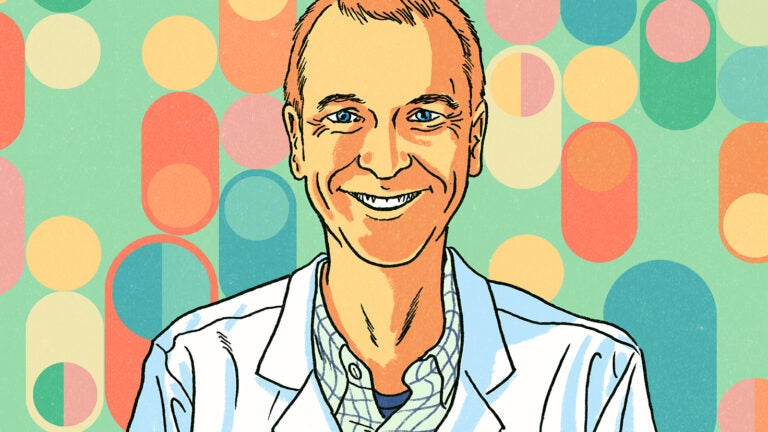
Health
USC researcher Peter Kuhn possesses an unrelenting mission to improve the lives of cancer patients.
Peter Kuhn is an unlikely force in the battle against cancer.
A physicist who dreamed of designing cars at Porsche, the German native came to the United States not for academic enrichment, but for a dream inspired by the 1986 film Top Gun.
“I saw that movie and knew I needed to ride motorcycles in Southern California,” he says.
But when Kuhn was 17, his mother was diagnosed with breast cancer.
“It hits you hard and it sits there because you don’t think there’s anything you can do about it,” he says of his mother’s diagnosis.
That life-shaking event triggered his curiosity about the role physics — Kuhn’s chosen field of study — plays in the human body, such as the evolution and ecology of cancer cells.
After training at Julius-Maximilians-Universität in Würzburg, Germany, Kuhn moved to the U.S. to pursue his graduate studies in physics. Initially intending to study at UCLA and live out his Southern California fantasies, he was rerouted to upstate New York because of the 1992 Los Angeles riots.
A chance encounter then helped steer his course.
While pursuing his PhD at the University of Albany, Kuhn attended a talk by HIV/AIDS researcher Paula Fitzgerald and spoke to her afterward. Years prior, Fitzgerald and a groundbreaking team of colleagues had determined the complete three-dimensional structure of an enzyme of the AIDS virus. The team’s pioneering work ignited new therapeutic possibilities against the deadly disease.
“It was my first conversation with someone who had changed the world,” Kuhn says. “I began to wonder, ‘What if I could do something about cancer?’”
Following his PhD studies at Albany, Kuhn joined the faculty at Stanford University, before the Scripps Research Institute in La Jolla wooed him to establish a physics oncology program in 2002. At Scripps, Kuhn led a team of more than 40 scientists from engineering, medicine and basic science fields working to understand the spread of cancer in the human body.
It was Kuhn’s first foray into cancer research, and it captivated him.
USC is the only place that allowed me to focus my science on improving patient outcomes, to work with as many colleagues as necessary across all the disciplines of the University for the sole purpose of making progress towards a better tomorrow.
Peter Kuhn
Kuhn remembers the first time he found cancer in a patient’s bloodstream. Fascinated, he showed the report to a collaborating pathologist. While she shared Kuhn’s scientific enthusiasm, she also offered a clinically grounded reply: “It looks like a shiny red object.” The startling disconnect of those two notions — the energetic scientific discovery and the harsh clinical reality — stunned Kuhn at first, but eventually underscored the critical importance of close collaboration between research science and clinical medicine.
“She ‘believed’ me, but made it clear I needed to do a lot more work to prove this finding in a clinically meaningful way,” Kuhn says. “As a scientist, one sometimes only sees the science, not the science existing inside a human being and that individual patient’s needs.”
In 2014, Kuhn left Scripps to become a founding member of USC’s new Michelson Center for Convergent Bioscience, a 190,000-square-foot interdisciplinary research facility wholly committed to exploring new frontiers in medicine and health.
“USC is the only place that allowed me to focus my science on improving patient outcomes, to work with as many colleagues as necessary across all the disciplines of the University for the sole purpose of making progress towards a better tomorrow,” Kuhn says. “If you want to use science to beat cancer, then this is what it takes: being able to pull expertise and resources across the entire University with agility and flexibility to discover new science and bring it to the patients in a meaningful way.”
Donors think so, too. Kuhn’s CSI-Cancer lab was made possible by a gift from Carol Vassiliadis, a cancer survivor who lost her husband to colon cancer in 2002.
During the last eight years, Kuhn has established himself as one of the globe’s foremost experts on personalized medicine and individualized cancer patient care.
He co-directed the creation of the first global liquid biopsy database on cancer and helped develop groundbreaking, tech-fueled efforts injecting objectivity and measurable data into physicians’ performance status assessments. His work has advanced understanding of cancer’s movement through the body and unlocked new possibilities for expanded access to care and personalized care strategies both informed by sound biology and actionable in the clinical setting.
And to be certain, it is work rooted in purpose. While publications, presentations and patents are worthy endeavors in this ferocious battle against cancer, Kuhn maintains an unrelenting focus on improving the lives of patients.
“If not that, then what are we doing here?” he asks.
Early on in his cancer research, Kuhn recalls sitting with three women. Each had breast cancer; each held a liquid biopsy report; each asked Kuhn what they should do. Kuhn balked at their requests.
“When I started in physics, I didn’t sign up for the real world of the patient, but that day became the ultimate commitment to seeing this work to the finish line,” he says. “I wanted to figure out ways to give people thoughtful direction.”
Kuhn maintains this focus at the USC Michelson Center through events like A Night at the Lab, where students, staff and faculty engage with cancer patients. The events allow patients to share their stories with researchers while enabling researchers to clearly articulate their science to individuals yearning for answers.
“This reminds us that we’re here to help real people live longer and better lives,” he says. “This is what we focus all of our efforts around.”
The post Finding a Cure appeared first on USC Today.
REDIRECT
Largest Medicare Advantage Plans Pay Big Markups for Dialysis
Story Headline: Largest Medicare Advantage Plans Pay Big Markups for Dialysis
DEK: Large dialysis chains charge Medicare Advantage plans 27% more than the traditional, fee-for-service Medicare program.
BODY COPY
Large dialysis chains charge Medicare Advantage plans 27% more for dialysis services compared with what they charge the traditional, fee-for-service Medicare program, according to a new USC analysis.
“The dialysis industry is heavily consolidated and two large national chains are the dominant provider in most communities,” said Eugene Lin, a clinical fellow at the USC Schaeffer Center and an assistant professor of nephrology at the Keck School of Medicine of USC. “As a result, these chains can wield their market power by forcing insurers to pay high prices. We’ve seen evidence of this in the commercial market, and now we are seeing the same thing in Medicare Advantage.”
The study, by researchers at the USC Schaeffer Center for Health Policy & Economics, appears in the August 2022 issue of Health Affairs. The researchers found:
Medicare Advantage Poised to Have a Growing Segment of Dialysis Patients
Chronic kidney disease, when the kidneys have an impaired ability to filter toxins out of blood, affects more than 15% of U.S. adults. In the most advanced stages of the disease, patients must receive dialysis regularly or have a kidney transplant.
Historically, patients with kidney failure could receive coverage for dialysis through enrolling in traditional Medicare, regardless of age, but they were generally prohibited from enrolling in Medicare Advantage after initiating dialysis. The 21st Century Cures Act lifted those regulations prohibiting Medicare Advantage enrollment starting in 2021 and early reports indicate a significant shift towards these plans.
Medicare Advantage plans are private health plans that beneficiaries can enroll in as an alternative to traditional Medicare. Enrollment in these plans has grown considerably in recent years because these plans tend to be easier for patients to navigate and often include more robust, additional benefits.
Prior to the regulatory change, patients who were already enrolled in a Medicare Advantage plan upon initiating dialysis were permitted to stay in that plan. Lin and his colleagues studied prices paid for dialysis services among these patients by analyzing data from three large insurers representing almost half of the Medicare Advantage market.
Compared with what traditional Medicare would have paid, Medicare Advantage plans paid 27% more for the median price of outpatient dialysis treatment.
“Our findings stand in sharp contrast to other areas we have previously studied–like physician services–where Medicare Advantage plans tend to pay providers rates that are very similar to traditional Medicare,” said Erin Trish, co-director of the USC Schaeffer Center and associate professor at the USC School of Pharmacy. “These high prices increase costs for Medicare Advantage plans and beneficiaries, especially as more patients receiving dialysis choose to enroll in Medicare Advantage.”
Large Dialysis Chains Supply Three-Quarters of all Dialysis Services in the U.S.
Over the last decade, the dialysis industry has consolidated considerably. Two large dialysis organizations supply more than three-quarters of all dialysis treatments in the U.S. More than a quarter of patients live in counties where one or both large dialysis organizations own all the facilities.
“In an interesting twist, providers can charge more in the Medicare Advantage market by being in network. If a patient goes to an out-of-network provider, the provider is prohibited from charging more than traditional Medicare,” said Erin Duffy, research scientist at the USC Schaeffer Center. “But when there are only one or two providers in a market, the insurance company loses any potential leverage to negotiate lower payments.”
Markups charged by large dialysis organizations were 31% higher than traditional Medicare. Markups to regional chains were 20% higher, markups to independently owned facilities were 12% higher and prices charged at hospital-based facilities were on par with Medicare rates. In contrast, out-of-network treatments at these facilities were on-par with what is paid to Medicare.
Though out-of-network dialysis treatments were cheaper for the plan, beneficiaries paid slightly more out-of-pocket and those with high spending paid quite a bit more annually.
Given that more patients on dialysis are expected to switch to a Medicare Advantage plan, this increase in dialysis spending may have downstream consequences including higher premiums or reduced benefits, write the authors. The researchers argue that policymakers should consider broad reforms to increase market competition.
Bich Ly of the USC Schaeffer Center also coauthored this paper. This research was supported by a grant from Arnold Ventures and the National Institute for Diabetes and Digestive and Kidney Diseases (NIDDK) (KO8 DK118213).
Largest Medicare Advantage Plans Pay Big Markups for Dialysis
The post USC analysis finds dialysis firms overcharge largest Medicare Advantage plans appeared first on USC News.